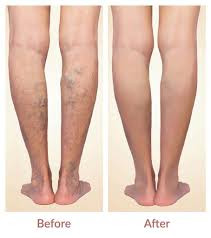
Varicose Veins
Varicose Veins
What Are Varicose Veins?
Varicose veins are swollen, twisted, and enlarged veins that usually appear on the legs and feet. They occur when the valves in the veins don’t function properly, causing blood to pool instead of flowing smoothly back to the heart.
Causes
-
Weak or damaged valves in veins
-
Prolonged standing or sitting
-
Age-related wear and tear on vein valves
-
Pregnancy (increased blood volume and pressure on veins)
-
Obesity
-
Genetics or family history
-
Hormonal changes (puberty, pregnancy, menopause)
Symptoms
-
Visible, bulging, twisted veins, often blue or dark purple
-
Aching, heavy, or throbbing legs
-
Swelling around the ankles or feet
-
Muscle cramps or burning sensations in legs
-
Itching around veins
-
Skin discoloration or ulcers near ankles (in severe cases)
Types of Varicose Veins
-
Superficial Varicose Veins: Near the skin surface, most common in legs
-
Deep Varicose Veins: In deeper veins, less visible but can cause pain
-
Spider Veins: Smaller, red or blue veins closer to the skin surface
Diagnosis
-
Physical examination
-
Ultrasound (to check blood flow and valve function)
Treatment Options
Lifestyle and Home Remedies
-
Regular exercise (walking, swimming)
-
Elevate legs when resting
-
Avoid long periods of standing or sitting
-
Wear compression stockings to improve blood flow
-
Maintain a healthy weight
-
Avoid tight clothing that restricts blood flow
Medical Treatments
-
Sclerotherapy: Injection of solution to close veins
-
Laser Therapy: Uses light to close smaller veins
-
Endovenous Ablation Therapy: Heat treatment to seal veins
-
Vein Stripping: Surgical removal of larger veins
-
Ambulatory Phlebectomy: Small incisions to remove varicose veins
-
Radiofrequency Ablation: Radio waves to heat and close veins
Ayurvedic Perspective (Optional)
-
Use of Nirgundi (Vitex negundo), Manjistha (Rubia cordifolia) for improving blood circulation
-
Application of medicated oils like Kshirapaka or Mahanarayana oil
-
Panchakarma therapies for detoxification and improving vascular health
Prevention Tips
-
Stay physically active
-
Maintain healthy body weight
-
Avoid tight clothes around the waist and legs
-
Don’t cross legs for long periods while sitting
-
Elevate legs regularly
-
Avoid high heels for extended periods
When to See a Doctor
-
Persistent pain or swelling in legs
-
Skin ulcers or sores near varicose veins
-
Sudden swelling or redness, which might indicate a blood clot
-
If varicose veins cause significant discomfort or cosmetic concerns