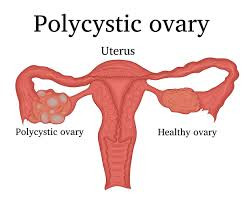
Polycystic Ovary Disease
Polycystic Ovary Disease (PCOD) / Polycystic Ovary Syndrome (PCOS)
What is PCOD/PCOS?
PCOD/PCOS is a hormonal disorder common among women of reproductive age. It involves the development of multiple small cysts in the ovaries due to hormonal imbalance, primarily involving excess androgens (male hormones) and insulin resistance.
Causes
-
Hormonal imbalance: Elevated androgens, insulin resistance, and abnormal secretion of luteinizing hormone (LH).
-
Genetics: Family history may increase risk.
-
Lifestyle factors: Obesity and sedentary lifestyle can contribute.
-
Environmental factors: Diet and stress might play a role.
Symptoms
-
Irregular or absent menstrual cycles
-
Enlarged ovaries with multiple small cysts (visible on ultrasound)
-
Excess facial and body hair (hirsutism)
-
Acne and oily skin
-
Weight gain or difficulty losing weight
-
Thinning hair or male-pattern baldness
-
Infertility or difficulty conceiving
-
Darkening of skin, especially along neck creases or under breasts (acanthosis nigricans)
-
Fatigue and mood changes
Diagnosis
-
Medical history and physical exam
-
Pelvic ultrasound: To check for cysts in ovaries
-
Blood tests: Hormone levels (LH, FSH, testosterone, insulin, thyroid function)
-
Exclusion of other conditions: Thyroid disorders, adrenal disorders, etc.
Treatment
Conventional Treatment
-
Lifestyle changes: Weight loss through diet and exercise to improve symptoms
-
Medications:
-
Hormonal contraceptives to regulate periods and reduce androgen levels
-
Anti-androgen medications (e.g., spironolactone) for excess hair and acne
-
Metformin for insulin resistance
-
Fertility treatments if pregnancy is desired (clomiphene, letrozole)
-
Homeopathic Approaches
-
Individualized remedies based on symptoms, such as:
-
Calcarea carbonica
-
Sepia
-
Lachesis
-
Pulsatilla
-
-
Homeopathy may help in regulating menstrual cycles and hormone balance but should complement conventional treatment.
Ayurvedic Approaches
-
Herbal remedies: Ashoka, Shatavari, Neem, Triphala
-
Diet: Avoid oily, processed foods; include whole grains, fruits, and vegetables
-
Lifestyle: Regular exercise, yoga, and stress reduction
-
Panchakarma detox therapies may be recommended.
Complications if Untreated
-
Type 2 diabetes due to insulin resistance
-
High blood pressure and cholesterol
-
Endometrial hyperplasia or cancer
-
Infertility
-
Sleep apnea
-
Depression and anxiety
Summary
Polycystic Ovary Disease (PCOD/PCOS) is a common hormonal disorder in women, leading to cysts on ovaries and symptoms like irregular periods, excess hair, and weight issues. Early diagnosis and a combination of lifestyle changes and medical treatment can effectively manage symptoms and prevent complications.