Pelvic Inflammatory Disease
Pelvic Inflammatory Disease (PID)
Definition
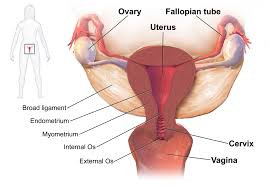
Pelvic Inflammatory Disease (PID) is an infection of the female reproductive organs, including the uterus, fallopian tubes, and ovaries. It is usually caused by sexually transmitted bacteria spreading from the vagina to the upper reproductive tract.
Causes
-
Sexually Transmitted Infections (STIs):
-
Chlamydia trachomatis
-
Neisseria gonorrhoeae
-
-
Non-STI causes:
-
Intrauterine device (IUD) insertion
-
Childbirth, miscarriage, or abortion
-
Pelvic procedures or surgery
-
Risk Factors
-
Multiple sexual partners
-
Unprotected sex
-
History of STIs or PID
-
Douching
-
Recent pelvic procedures
Symptoms
-
Lower abdominal or pelvic pain
-
Abnormal vaginal discharge (often with odor)
-
Painful urination
-
Painful intercourse
-
Irregular menstrual bleeding
-
Fever and chills
-
Nausea and vomiting (in severe cases)
Note: Some women may have mild or no symptoms.
Diagnosis
-
Clinical examination
-
Pelvic ultrasound or transvaginal sonography
-
Cervical cultures and STI testing
-
Blood tests (WBC count, CRP)
-
Laparoscopy (in complicated or unclear cases)
Complications
-
Infertility
-
Ectopic pregnancy
-
Chronic pelvic pain
-
Tubo-ovarian abscess
-
Recurrent PID
Treatment
Conventional Treatment
-
Antibiotics (oral or IV):
-
Ceftriaxone + Doxycycline ± Metronidazole
-
-
Hospitalization if:
-
Severe symptoms
-
Pregnant
-
Abscess present
-
No response to outpatient therapy
-
-
Treat sexual partners to prevent reinfection
-
Avoid intercourse until treatment completion
Alternative Therapies
Homeopathic Options (supportive, not a replacement for antibiotics)
-
Belladonna: Sudden pelvic pain with fever
-
Apis mellifica: Inflammation with stinging pain and swelling
-
Sepia: Chronic PID with bearing-down sensations
-
Pulsatilla: Mild, changeable symptoms with vaginal discharge
Always consult a qualified homeopath. These are complementary options, not stand-alone treatments.
Ayurvedic Approach
-
Causes: Imbalance in Vata and Pitta doshas
-
Herbs and Remedies:
-
Ashokarishta: Regulates menstrual cycle and reduces inflammation
-
Dashmool decoction: Anti-inflammatory
-
Guduchi (Tinospora cordifolia): Boosts immunity
-
Triphala: Detoxification
-
-
Panchakarma therapies (e.g., Basti): May be used in chronic cases
-
Diet & Lifestyle: Avoid spicy, fried foods; ensure proper hygiene
Ayurvedic treatment should be under guidance of a certified practitioner.
Prevention
-
Practice safe sex (use condoms)
-
Limit number of sexual partners
-
Regular STI screening
-
Avoid douching
-
Early treatment of vaginal infections
Conclusion
Pelvic Inflammatory Disease is a serious condition that can cause long-term reproductive damage if not treated promptly. Early diagnosis and antibiotic therapy are key. Complementary therapies may support healing but should not replace standard medical treatment.