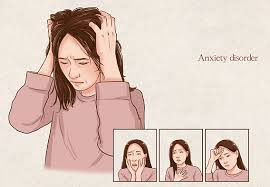
Neurasthenia
Neurasthenia: Overview
Definition:
Neurasthenia is a psychological condition characterized by chronic mental and physical fatigue, often accompanied by symptoms like irritability, headaches, and difficulty concentrating. It was widely diagnosed in the late 19th and early 20th centuries but is now less commonly used in Western medicine. However, it is still recognized in some regions (especially in China and Japan) and in traditional or alternative medicine.
Symptoms:
-
Persistent fatigue not relieved by rest
-
Headache and dizziness
-
Sleep disturbances (insomnia or non-refreshing sleep)
-
Irritability and mood swings
-
Difficulty concentrating ("brain fog")
-
Muscle aches and tension
-
Gastrointestinal issues (e.g., indigestion, constipation)
-
Palpitations and anxiety
-
Hypersensitivity to noise or light
Causes and Risk Factors:
-
Chronic stress or overwork
-
Emotional trauma or psychological strain
-
Poor nutrition or anemia
-
Sleep deprivation
-
Infections or chronic diseases
-
Sedentary lifestyle
-
Genetic or constitutional weakness (as per traditional systems)
Diagnosis:
Neurasthenia is not commonly used in modern Western diagnostic manuals like the DSM-5, but it is included in:
-
ICD-10 (F48.0): Classified under “Other neurotic disorders”
-
Diagnosis is made based on symptom history, ruling out physical illnesses, and mental health evaluation.
Treatment Options:
1. Conventional Treatment:
-
Psychotherapy – Cognitive behavioral therapy (CBT)
-
Stress management techniques
-
Sleep hygiene improvement
-
Balanced nutrition and exercise
-
Antidepressants or anxiolytics (if indicated)
2. Ayurvedic Approach:
-
Herbal formulations: Ashwagandha, Brahmi, Shankhpushpi
-
Panchakarma detoxification
-
Rasayana therapy (rejuvenation)
-
Satvavajaya Chikitsa (Ayurvedic psychotherapy)
-
Diet: Light, nourishing, easy-to-digest foods
3. Homeopathic Remedies:
-
Picric Acid – For mental and physical exhaustion
-
Kali Phos – Nerve tonic, especially for students and professionals
-
Gelsemium – For weakness and nervous exhaustion
-
Phosphoric Acid – For fatigue after grief or emotional stress
(Note: Remedies should be prescribed by a qualified practitioner.)
Prognosis:
-
Neurasthenia is typically chronic but manageable with appropriate lifestyle changes, psychological support, and treatment.
-
Without intervention, it may lead to anxiety, depression, or functional impairment.
Conclusion:
Neurasthenia reflects a mind-body imbalance, often triggered by modern lifestyle stress. While it may no longer be a mainstream diagnosis in the West, it remains relevant in traditional systems like Ayurveda, TCM, and homeopathy. Early intervention and a holistic approach can significantly improve outcomes.