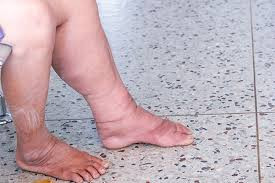
Elephantiasis/Filariasis
What is Elephantiasis?
Elephantiasis is a medical condition characterized by extreme swelling and thickening of the skin and underlying tissues, usually affecting the legs, genitals, or arms. The skin becomes thick, rough, and enlarged, resembling the texture of an elephant’s skin — hence the name.
Causes of Elephantiasis
Elephantiasis is most commonly caused by:
-
Lymphatic filariasis: A parasitic infection caused by thread-like worms called Wuchereria bancrofti, Brugia malayi, or Brugia timori. These parasites are transmitted to humans through mosquito bites.
-
The parasites block the lymphatic vessels, leading to fluid buildup and swelling.
-
Rarely, elephantiasis can result from:
-
Non-parasitic causes like chronic lymphatic obstruction due to tumors, infections, or trauma.
-
Symptoms
-
Swelling of limbs (usually legs or arms)
-
Thickened, hardened, and rough skin
-
Enlarged body parts (e.g., scrotum or breasts)
-
Pain or discomfort due to swelling
-
Recurrent infections in the swollen area
How Elephantiasis Develops
-
Mosquito bites transmit parasite larvae.
-
Larvae mature in the lymphatic system.
-
Worms block lymph flow, causing lymph fluid accumulation.
-
Chronic inflammation leads to tissue enlargement and skin changes.
Diagnosis
-
Physical examination showing swollen limbs.
-
Blood tests to detect microfilariae (parasite larvae) usually at night.
-
Ultrasound or antigen tests for parasite detection.
-
Lymphoscintigraphy to assess lymphatic system function.
Treatment
-
Medications:
-
Anti-parasitic drugs like Diethylcarbamazine (DEC), Ivermectin, or Albendazole to kill worms.
-
Antibiotics if bacterial infections are present.
-
-
Supportive care:
-
Elevating affected limbs to reduce swelling.
-
Compression bandages or garments.
-
Good hygiene and skin care to prevent infections.
-
-
Surgery:
-
In severe cases, surgery may be needed to remove excess tissue or improve lymph drainage.
-
Prevention
-
Controlling mosquito populations.
-
Using mosquito nets and repellents.
-
Mass drug administration in endemic areas to reduce parasite spread.
-
Proper sanitation and health education.
Conclusion
Elephantiasis is a debilitating condition caused primarily by parasitic infection affecting the lymphatic system. Early treatment with anti-parasitic medication and good care can reduce symptoms and prevent complications. Prevention through mosquito control and medication distribution in affected areas is key to controlling the disease.