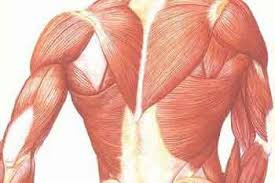
Duchenne Muscular Dystrophy
What is Duchenne Muscular Dystrophy?
Duchenne Muscular Dystrophy (DMD) is a severe, progressive genetic disorder characterized by muscle weakness and wasting. It primarily affects boys and is caused by mutations in the dystrophin gene, leading to an absence or deficiency of the dystrophin protein, which is crucial for muscle fiber integrity.
Causes
-
Genetic mutation in the dystrophin gene on the X chromosome (X-linked recessive inheritance).
-
Most commonly affects males (females are carriers and rarely symptomatic).
Symptoms
-
Muscle weakness starting in early childhood (usually between 2 to 5 years of age).
-
Difficulty walking, frequent falls.
-
Enlarged calf muscles (pseudohypertrophy).
-
Gowers' sign (using hands to climb up legs to stand).
-
Progressive loss of mobility, usually requiring wheelchair by early teens.
-
Respiratory difficulties and cardiomyopathy in later stages.
Types
-
Duchenne Muscular Dystrophy (more severe).
-
Becker Muscular Dystrophy (milder, later onset with partially functional dystrophin).
Diagnosis
-
Clinical evaluation and family history.
-
Elevated serum creatine kinase (CK) levels.
-
Genetic testing to identify dystrophin gene mutations.
-
Muscle biopsy (showing absence or reduction of dystrophin).
-
Electromyography (EMG).
Treatment
Conventional Treatment
-
No definitive cure currently.
-
Corticosteroids (e.g., prednisone) to slow muscle degeneration.
-
Physical therapy and exercise to maintain muscle strength and flexibility.
-
Cardiac care (medications for cardiomyopathy).
-
Respiratory support as disease progresses (ventilation).
-
Orthopedic interventions (bracing, surgery).
Homeopathic Treatment
-
Individualized remedies based on symptoms (consult a qualified homeopath).
-
Commonly used remedies may include Causticum, Rhus tox, Kali carb to support muscle weakness and cramps.
-
Note: Homeopathy is complementary and not a replacement for conventional care.
Ayurvedic Treatment
-
Use of herbal formulations aimed at strengthening muscles and nerves, such as Ashwagandha (Withania somnifera), Brahmi (Bacopa monnieri), and Shatavari (Asparagus racemosus).
-
Panchakarma therapies (like Abhyanga massage, Basti therapy) to improve muscle function.
-
Dietary modifications focusing on nourishing and anti-inflammatory foods.
-
Ayurvedic treatment supports quality of life but does not cure DMD.
Prognosis
-
Progressive muscle weakness leads to loss of ambulation by early teens.
-
Life expectancy has improved with better respiratory and cardiac care; many live into their 20s or 30s.
Conclusion
Duchenne Muscular Dystrophy is a serious genetic muscle disorder primarily affecting boys, leading to progressive muscle loss and disability. Early diagnosis and multidisciplinary care involving medical treatments, physiotherapy, and supportive therapies improve quality of life. Research is ongoing into gene therapy and new treatments.