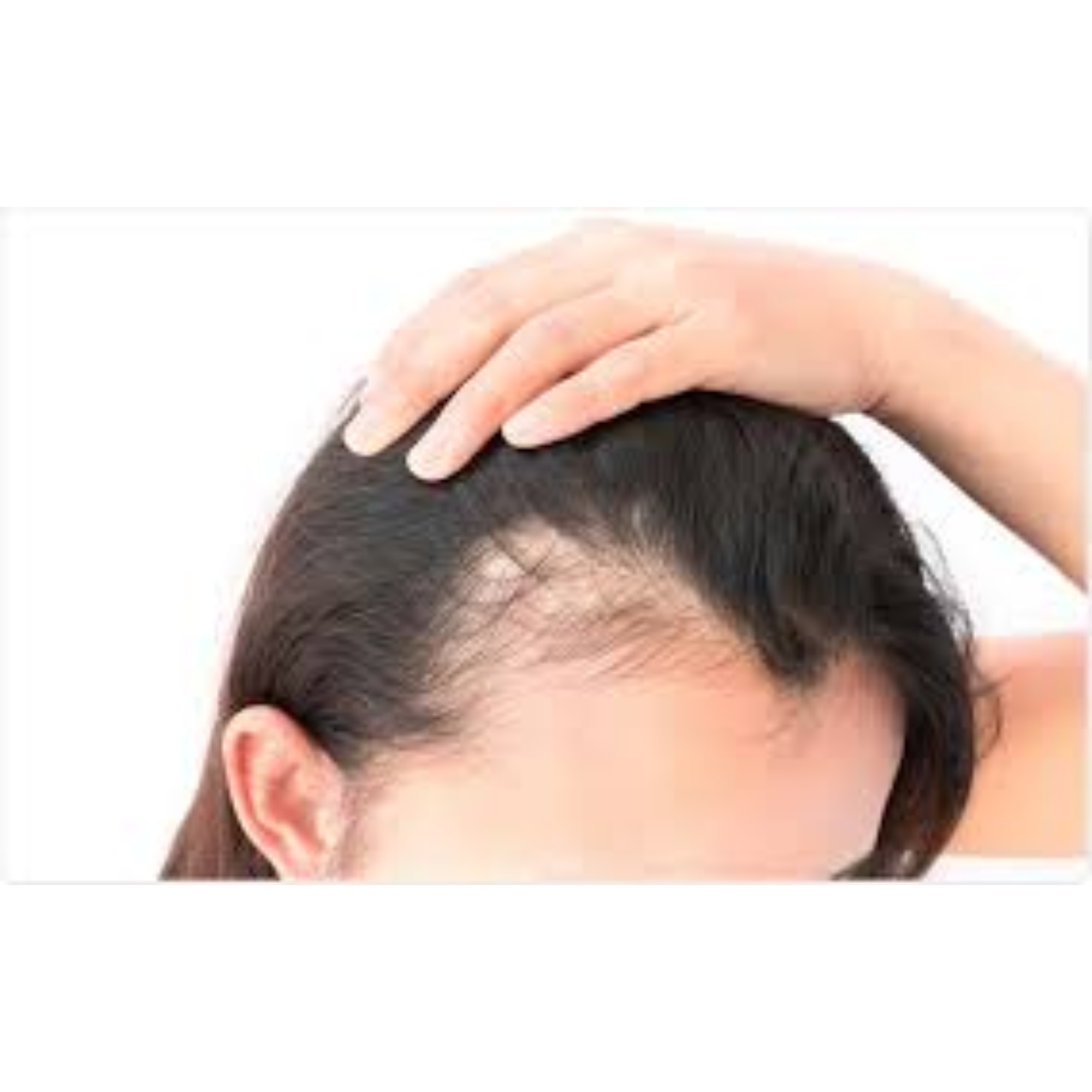
Dandruff
What is Dandruff?
Dandruff is a common scalp condition characterized by the excessive shedding of dead skin cells from the scalp, which appear as white or yellowish flakes. It often causes itching and discomfort.
Causes of Dandruff
- Dry skin: Most common cause, flakes are usually small and less oily.
- Seborrheic dermatitis: Oily, irritated skin causing larger flakes and redness, often in areas with more oil glands (scalp, eyebrows, sides of nose).
- Malassezia yeast: Overgrowth of this fungus on the scalp can irritate skin, causing increased cell turnover.
- Sensitivity to hair products (contact dermatitis).
- Not shampooing enough: Leads to oil and skin cell buildup.
- Other factors: Stress, hormonal changes, cold dry weather.
Symptoms
- Flakes of white or yellow skin on scalp, hair, shoulders
- Itchy scalp
- Red, irritated scalp in severe cases
- Dry scalp feeling
Types of Dandruff
- Dry dandruff: Flakes are dry, white, and small. Usually with dry scalp.
- Oily dandruff (seborrheic dermatitis): Flakes are larger, yellowish, greasy, with redness and inflammation.
- Fungal dandruff: Caused by Malassezia fungus overgrowth.
Homeopathic Treatment
- Graphites: For dry scalp with thick, sticky scales.
- Sulphur: For itching and redness with dandruff.
- Kali Sulph: For yellowish, sticky dandruff.
- Mezereum: For dandruff with intense itching and oozing.
Note: Always consult a qualified homeopath before starting treatment.
Ayurvedic Treatment
- Neem (Azadirachta indica): Antifungal and anti-inflammatory properties help reduce dandruff.
- Aloe vera: Soothes scalp irritation and reduces flakes.
- Tea tree oil: Natural antifungal, often used in diluted form.
- Reetha (Soapnut) and Shikakai: Natural cleansers that keep scalp healthy without chemicals.
- Bhringraj and Amla: Strengthen hair and improve scalp health.
Ayurvedic Tips
- Use herbal hair oils regularly.
- Avoid excessive heat and harsh chemical shampoos.
- Keep scalp clean but avoid over-washing.
- Manage stress and diet, favoring fresh fruits and vegetables.
Prevention
- Wash hair regularly with a mild shampoo.
- Avoid harsh hair products.
- Manage stress and maintain a healthy diet.
- Keep scalp moisturized if prone to dryness.
When to See a Doctor
- Severe itching and redness
- Hair loss associated with dandruff
- If dandruff does not improve with over-the-counter treatments
- Presence of sores or swelling on the scalp