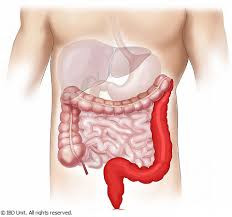
Crohn’s Disease (CD)
Definition
Crohn’s Disease is a chronic inflammatory bowel disease (IBD) that causes inflammation of the gastrointestinal (GI) tract, most commonly affecting the end of the small intestine (ileum) and the beginning of the colon, but it can affect any part from mouth to anus. The inflammation can extend through the entire thickness of the bowel wall.
Symptoms
Symptoms vary depending on the severity and location of the disease, but common signs include:
-
Abdominal pain and cramping
-
Diarrhea (often chronic and sometimes bloody)
-
Weight loss and reduced appetite
-
Fatigue
-
Fever
-
Mouth sores
-
Anal fissures or fistulas
-
Delayed growth in children
Types
Crohn’s disease is classified based on the location:
-
Ileocolitis – Most common; affects ileum and colon
-
Ileitis – Affects only the ileum
-
Gastroduodenal Crohn’s disease – Affects stomach and duodenum
-
Jejunoileitis – Affects jejunum (part of small intestine)
-
Crohn’s colitis – Affects only the colon
Causes
The exact cause is unknown, but factors that may contribute include:
-
Immune system dysfunction – An abnormal immune response attacking the GI tract
-
Genetic predisposition – Family history increases risk
-
Environmental triggers – Smoking, diet, infections
-
Gut microbiota imbalance
Complications
-
Bowel obstruction
-
Ulcers
-
Fistulas
-
Abscesses
-
Malnutrition
-
Increased risk of colon cancer
-
Growth delays in children
Diagnosis
-
Blood tests – To detect anemia or inflammation
-
Stool tests – To rule out infections
-
Colonoscopy – With biopsy
-
CT or MRI enterography – Imaging to assess bowel inflammation
-
Capsule endoscopy – To view small intestine
Treatment
Conventional Treatment
-
Anti-inflammatory drugs – Corticosteroids, aminosalicylates
-
Immune system suppressors – Azathioprine, methotrexate
-
Biologics – TNF inhibitors (infliximab, adalimumab)
-
Antibiotics – For infections or abscesses
-
Surgery – For complications or removal of damaged bowel segments
-
Nutritional therapy – Special diets or supplements
Homeopathic Treatment
Homeopathy aims to manage symptoms and strengthen immunity:
-
Nux Vomica – For abdominal cramping, constipation or diarrhea
-
Arsenicum Album – For burning pain and anxiety
-
Merc Sol – For bloody diarrhea and weakness
-
Sulphur – For chronic cases with itching and burning
Always consult a qualified homeopath for individualized treatment.
Ayurvedic Treatment
Ayurveda classifies Crohn’s under Grahani Roga:
-
Herbs: Kutaj, Bilva, Musta, Haritaki
-
Formulations: Dadimashtaka Churna, Takra (buttermilk), Kutajarishta
-
Dietary guidance: Easily digestible foods, avoiding spicy, oily, or heavy meals
-
Panchakarma: Detoxification therapies (under supervision)
Diet & Lifestyle Recommendations
-
Low-residue diet during flare-ups
-
Avoid dairy, spicy foods, caffeine, alcohol
-
Stay hydrated
-
Stress management (yoga, meditation)
-
Smoking cessation
-
Regular follow-up with a gastroenterologist
Conclusion
Crohn’s disease is a lifelong condition with periods of remission and flare-ups. While there is no permanent cure, with proper medical care, lifestyle changes, and supportive therapies (homeopathy or Ayurveda), many people lead productive, symptom-managed lives.