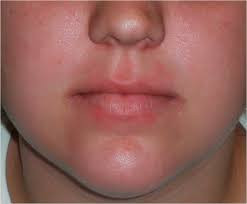
Cosmetic Allergy
What is Cosmetic Allergy?
A cosmetic allergy occurs when the body’s immune system reacts negatively to certain ingredients found in cosmetic products, such as makeup, skincare products, perfumes, or hair care items. These allergic reactions can vary from mild skin irritation to severe reactions affecting other body systems. The allergens in cosmetics are often fragrances, preservatives, or specific chemicals added for texture, color, or stability.
Causes of Cosmetic Allergies
Cosmetic allergies can result from the body's immune system overreacting to certain ingredients used in products. Some common allergens include:
- Fragrances: Used in many cosmetic products, they are one of the most common causes of allergic reactions.
- Preservatives: Chemicals such as parabens and formaldehyde are added to prevent bacterial growth in products but can trigger allergies.
- Dyes and Pigments: Artificial colorants, especially those used in makeup, can cause irritation or allergic reactions.
- Formulations with alcohol: Alcohol is often included in perfumes and toners, which may cause dryness or skin irritation in sensitive individuals.
- Lanolin: A fatty substance derived from sheep wool, often used in moisturizers, can trigger allergies.
- Nickel: Found in certain cosmetic items, such as makeup or eye products, it may lead to reactions in sensitive individuals.
Symptoms of Cosmetic Allergy
The symptoms of a cosmetic allergy can range from mild irritation to severe reactions. Common symptoms include:
- Skin Symptoms:
- Redness, swelling, itching, or a rash, especially around the eyes, lips, or other areas where the product was applied.
- Hives or urticaria (raised, red welts).
- Dryness or peeling skin, often accompanied by itching.
- Eczema or dermatitis-like symptoms.
- Itchy, watery, or red eyes.
- Swelling around the eyes (commonly seen in reactions to mascara or eyeshadow).
- Sneezing, coughing, wheezing, or difficulty breathing (particularly in response to fragrances or aerosols).
- Nausea, vomiting, or abdominal discomfort in more severe allergic reactions to ingested cosmetics or skin products that contain allergens.
- Though rare, an anaphylactic reaction can occur, causing swelling of the face, throat, or lips, difficulty breathing, dizziness, and a drop in blood pressure. Immediate medical attention is required in such cases.
Homeopathic Treatments for Cosmetic Allergy
Homeopathy works on the principle of "like cures like," using natural substances in highly diluted forms to stimulate the body’s healing process. Homeopathic remedies may help reduce the symptoms of cosmetic allergies and improve the body’s immune response to allergens.
Common Homeopathic Remedies for Cosmetic Allergy
- Apis Mellifica:
- For swelling, redness, and itching around the eyes and face, especially when the skin becomes inflamed after using a cosmetic product.
- For hives and itchy, stinging skin, especially in the case of allergic reactions to skin products, including lotions or creams.
- For dry, itchy, and irritated skin with a tendency to worsen in warm or hot conditions. Sulphur is useful for treating rashes caused by allergies.
- For skin eruptions and blisters caused by cosmetic allergies, especially when the skin is sensitive to touch or movement.
- For individuals with sensitive skin, prone to developing rashes or irritation from cosmetics, especially when the immune system is compromised.
- For skin reactions caused by the use of perfumes or cosmetics with fragrances that cause a rash or irritation.
- For burning sensations, redness, and itching, particularly when these symptoms are worse at night or after exposure to an allergen.
Dosage and Usage
- Homeopathic remedies are usually taken in potencies such as 30C or 200C.
- It’s best to consult a qualified homeopath for individualized treatment plans tailored to the specific symptoms and constitution of the person.
Ayurvedic Treatments for Cosmetic Allergy
Ayurveda focuses on balancing the body’s energies (doshas) and addressing the root cause of ailments. It promotes healing through natural herbs, oils, and therapies, which may help alleviate symptoms caused by cosmetic allergies.
Ayurvedic Herbs for Cosmetic Allergy Relief
- Neem (Azadirachta indica):
- Known for its anti-inflammatory and antibacterial properties, neem can help soothe irritated skin and reduce redness and swelling.
- Neem oil can be applied directly to affected areas or consumed in a purified form.
- Aloe vera gel is well-known for its cooling, soothing, and healing properties. It helps relieve itching, redness, and inflammation caused by allergic reactions to cosmetics.
- Anti-inflammatory and antioxidant properties help reduce redness, swelling, and irritation.
- A turmeric paste (mixed with water or honey) can be applied to the skin to calm allergic reactions.
- Known for its anti-inflammatory and detoxifying qualities, tulsi can help reduce skin irritation caused by allergies.
- Tulsi oil can be used for topical application to soothe the skin.
- Sandalwood paste is cooling and soothing, making it an excellent remedy for irritated skin and rashes caused by cosmetic products.
- With antibacterial and anti-inflammatory properties, coconut oil can help reduce skin irritation and moisturize dry, cracked skin.
Ayurvedic Therapies
- Kshirabala Oil:
- Used in Abhyanga (oil massage), Kshirabala oil helps relieve inflammation and skin irritation. It is especially effective for calming sensitive skin after cosmetic use.
- Shirodhara therapy, which involves pouring warm herbal oils over the forehead, can help calm the nervous system and reduce the stress associated with allergic reactions.
- Ayurvedic detoxification therapies, such as Virechana (purgation) and Nasya (nasal therapy), help eliminate toxins and allergens from the body, promoting overall skin health.
- A blend of turmeric, sandalwood, and rose water can be used as a face pack to soothe skin affected by allergic reactions to cosmetics.
Dietary and Lifestyle Modifications
- Avoid Allergenic Foods: Certain foods like dairy, processed foods, and spicy items can aggravate skin conditions. A balanced diet rich in fruits, vegetables, and whole grains can help balance the body’s natural processes.
- Hydration: Drink plenty of water and herbal teas to flush out toxins and keep the skin hydrated.
- Avoid Scratching: Resist the urge to scratch allergic skin reactions to prevent further irritation and potential infection.
Conclusion
Cosmetic allergies can be caused by various ingredients found in skincare, makeup, and other cosmetic products. While cosmetic allergy symptoms can range from mild skin irritation to severe reactions, both homeopathic and Ayurvedic treatments offer natural and effective approaches for symptom relief. Homeopathic remedies help balance the body’s immune system, while Ayurvedic herbs and therapies provide soothing, anti-inflammatory, and detoxifying benefits. Always consult a healthcare professional or practitioner for personalized treatment, especially if symptoms are severe or persistent.