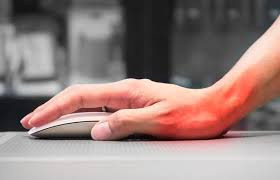
Computer Over-Use Syndrome
What is Computer Over-Use Syndrome?
Computer Over-Use Syndrome refers to a group of health issues that arise from excessive and prolonged use of computers, laptops, smartphones, or other digital devices. This condition is primarily caused by poor ergonomics, repetitive movements, extended screen time, and lack of breaks, leading to physical, visual, and mental strain.
It is commonly seen in individuals working long hours on computers, students, and people who frequently use digital devices for professional or recreational purposes.
Causes of Computer Over-Use Syndrome
- Poor Posture: Slouching or hunching while working on computers.
- Repetitive Strain: Continuous use of keyboards, mouse, or typing activities.
- Excessive Screen Time: Prolonged exposure to screens without breaks.
- Poor Ergonomics: Improper desk, chair, or screen placement causing body strain.
- Lack of Movement: Sitting for extended hours without stretching or physical activity.
- Blue Light Exposure: Excessive exposure to blue light from screens causes eye strain.
- Mental Stress: High work pressure or digital addiction leading to mental fatigue.
Symptoms of Computer Over-Use Syndrome
Physical Symptoms
- Repetitive Strain Injury (RSI): Pain in wrists, hands, shoulders, and fingers due to continuous typing or mouse use.
- Back and Neck Pain: Stiffness and pain caused by poor posture.
- Headaches: Tension headaches caused by eye strain and screen glare.
- Carpal Tunnel Syndrome: Numbness, tingling, or weakness in the hands and fingers.
- Muscle Fatigue: Generalized weakness or muscle soreness.
Visual Symptoms (Computer Vision Syndrome)
- Eye Strain: Dry, irritated, and tired eyes.
- Blurry Vision: Difficulty focusing due to prolonged screen use.
- Double Vision: Overuse of eye muscles leading to vision problems.
- Sensitivity to Light: Excessive blue light exposure can cause discomfort.
Mental and Emotional Symptoms
- Mental Fatigue: Lack of focus, mental tiredness, and irritability.
- Stress and Anxiety: Increased stress due to work demands or digital overload.
- Sleep Disturbances: Difficulty sleeping caused by blue light exposure before bedtime.
Homeopathic Treatments for Computer Over-Use Syndrome
Homeopathy provides remedies for physical pain, visual strain, and mental fatigue caused by overuse of digital devices. It treats the root cause and alleviates discomfort naturally.
Common Homeopathic Remedies
- Ruta Graveolens:
- For eyestrain, stiff neck, and wrist pain caused by prolonged typing or mouse usage.
- Suited for individuals with aching and sore muscles.
- Helps with headaches caused by eye strain and mental fatigue.
- Effective for dryness and burning sensation in the eyes.
- For repetitive strain injuries, stiff joints, and pain in fingers and shoulders.
- Relieves muscular fatigue and stiffness aggravated by prolonged sitting.
- Effective for mental exhaustion, blurred vision, and stress headaches.
- Helps individuals who experience weakness and dullness.
- For throbbing headaches, eye pain, and sensitivity to light.
- Suitable for intense headaches aggravated by screen glare.
- Helps in cases of mental fatigue, drowsiness, and lack of focus.
- Beneficial for stress caused by long working hours.
- For eye strain, blurry vision, and fatigue caused by prolonged screen usage.
- For muscle fatigue and body pain due to prolonged sitting or strain.
Dosage and Usage
- Potencies like 30C or 200C are commonly used.
- Consult a professional homeopath for individualized treatment and proper dosage.
Ayurvedic Treatments for Computer Over-Use Syndrome
Ayurveda focuses on reducing Vata and Pitta dosha imbalances caused by physical strain, visual stress, and mental fatigue. Treatments include herbal remedies, lifestyle changes, and therapies to restore balance.
Ayurvedic Herbs and Remedies
- Triphala:
- A combination of Amalaki, Haritaki, and Bibhitaki to rejuvenate eye health and relieve eye strain.
- Enhances mental clarity, reduces stress, and relieves mental fatigue.
- Boosts stamina, reduces muscle fatigue, and relieves stress.
- Strengthens muscles and reduces physical exhaustion caused by prolonged sitting.
- Nourishes eyes and improves vision when taken internally or applied as Netra Tarpana (eye therapy).
- Relieves muscle and joint pain when used as a massage oil.
- Rich in Vitamin C, it reduces eye inflammation and fatigue.
Ayurvedic Therapies
- Netra Tarpana (Eye Rejuvenation Therapy):
- A specialized therapy using medicated ghee to nourish and soothe the eyes, reducing eye strain.
- Full-body massage using herbal oils to relieve muscle stiffness and improve blood circulation.
- A continuous stream of warm oil on the forehead to relieve stress and mental fatigue.
- Tadasana, Bhujangasana, and Balasana for posture correction.
- Pranayama (breathing exercises) to calm the mind and relieve mental stress.
Lifestyle Recommendations
- Follow the 20-20-20 Rule:
- Every 20 minutes, look at something 20 feet away for 20 seconds to reduce eye strain.
- Use an ergonomic chair and desk.
- Position the screen at eye level and maintain proper posture.
- Incorporate regular breaks to stretch and relax your body and eyes.
- Use anti-glare glasses or screen filters to reduce blue light exposure.
- Blink frequently, perform eye-rolling exercises, and gently massage your eyes.
- Drink enough water to prevent fatigue and eye dryness.
- Work in a well-lit room to reduce eye strain.
- Limit non-essential screen time and engage in outdoor activities.
Conclusion
Computer Over-Use Syndrome is a growing concern in today’s digital age, leading to physical discomfort, visual issues, and mental fatigue. Homeopathy and Ayurveda provide effective, natural remedies to relieve symptoms, correct imbalances, and rejuvenate the body and mind. Incorporating lifestyle modifications, proper ergonomics, and regular breaks can significantly prevent and manage this condition. Consulting qualified professionals ensures personalized and holistic care.