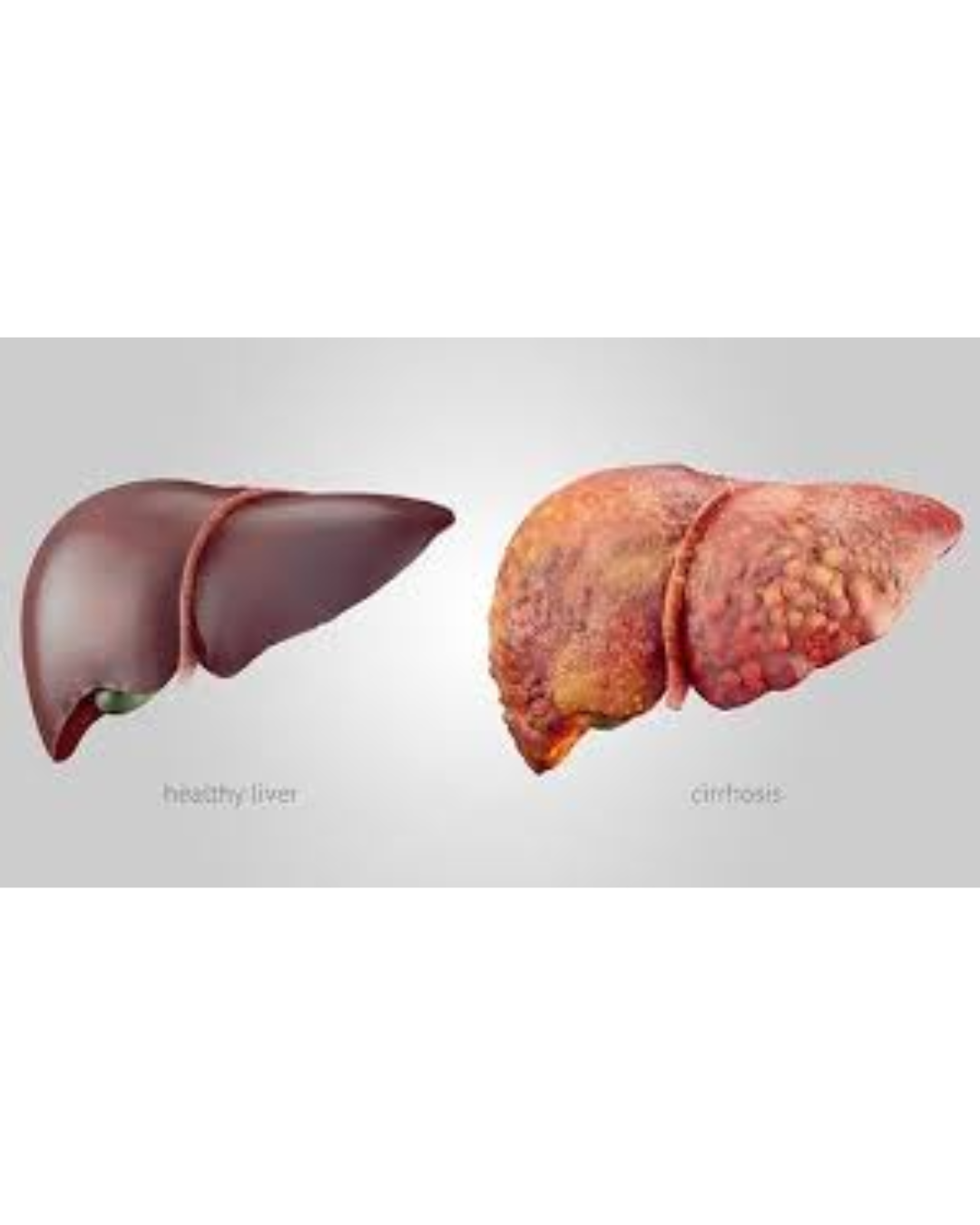
Chronic Liver Disease
What is Chronic Liver Disease (CLD) and Cirrhosis?
Chronic Liver Disease (CLD) refers to progressive liver damage over a long period caused by inflammation, fibrosis (scarring), and impaired liver function. Over time, the liver becomes increasingly scarred, leading to cirrhosis, which is the advanced and irreversible stage of liver damage.
The liver, being a vital organ, plays a significant role in detoxification, protein synthesis, bile production, and metabolism. In cirrhosis, healthy liver tissues are replaced by scar tissue, affecting its normal functions and leading to liver failure in severe cases.
Causes and Risk Factors of Chronic Liver Disease / Cirrhosis
- Chronic Hepatitis B and C: Viral infections that cause long-term liver inflammation.
- Alcohol Abuse: Excessive alcohol consumption is a major cause of liver damage.
- Non-Alcoholic Fatty Liver Disease (NAFLD): Associated with obesity, diabetes, and metabolic syndrome.
- Autoimmune Hepatitis: The immune system attacks liver tissues.
- Primary Biliary Cholangitis (PBC): Damage to bile ducts leading to liver scarring.
- Hemochromatosis: Excess iron deposition in the liver.
- Wilson’s Disease: Copper buildup in the liver due to genetic factors.
- Medications and Toxins: Long-term use of drugs like methotrexate and exposure to chemicals.
- Liver Cancer: Primary or secondary liver malignancies.
Symptoms of Chronic Liver Disease / Cirrhosis
Symptoms may progress gradually and worsen as liver function deteriorates. Common symptoms include:
- Fatigue and Weakness: A common symptom due to impaired metabolism.
- Jaundice: Yellowing of the skin and eyes due to bilirubin buildup.
- Abdominal Swelling (Ascites): Fluid accumulation in the abdomen.
- Edema: Swelling in the legs, ankles, and feet.
- Nausea, Vomiting, and Loss of Appetite: Digestive issues due to liver dysfunction.
- Weight Loss and Muscle Wasting: Malnutrition from reduced protein synthesis.
- Itchy Skin (Pruritus): Due to bile salt deposition in the skin.
- Dark Urine and Pale Stools: Indicating poor bile production.
- Enlarged Liver and Spleen: Often seen in early or moderate stages of cirrhosis.
- Spider Angiomas: Small, spider-like blood vessels on the skin.
- Confusion (Hepatic Encephalopathy): Toxin buildup causes cognitive impairment.
Homeopathic Treatments for Chronic Liver Disease / Cirrhosis
Homeopathy focuses on improving liver function, halting disease progression, and managing symptoms like ascites, fatigue, and jaundice. It works by stimulating the body’s natural healing mechanisms.
Common Homeopathic Remedies
- Chelidonium Majus:
- A leading liver remedy for jaundice, enlarged liver, and pain in the right upper abdomen.
- Improves bile flow and supports liver detoxification.
- Known as "Milk Thistle" in herbal medicine.
- Effective for liver inflammation, cirrhosis, ascites, and fatty liver conditions.
- For liver enlargement, digestive disturbances like bloating, and weak digestion.
- Suited for patients with weight loss and fatigue.
- Indicated for fatty liver, jaundice, and hepatitis.
- Helps in cases of liver degeneration and digestive disorders.
- For liver damage caused by excessive alcohol or medication.
- Relieves nausea, indigestion, and constipation.
- Treats ascites, weakness, and digestive disturbances due to liver damage.
- For liver congestion, gallbladder issues, and yellowish skin.
- Effective for ascites and swelling with severe weakness and breathlessness.
Dosage and Usage
- Potencies like 30C or 200C are prescribed based on symptoms and patient constitution.
- Consult a qualified homeopath for proper selection and dosage.
Ayurvedic Treatments for Chronic Liver Disease / Cirrhosis
Ayurveda views liver disorders as imbalances in Pitta dosha, combined with digestive toxins (Ama). Treatment involves detoxifying the liver, balancing Pitta, and rejuvenating liver tissues.
Ayurvedic Herbs for Liver Health
- Kutki (Picrorhiza kurroa):
- A powerful liver tonic that promotes detoxification and reduces inflammation.
- Protects the liver from viral infections, toxins, and fatty liver disease.
- Reduces liver inflammation and supports bile secretion.
- Known to regenerate liver cells and protect against cirrhosis.
- Reduces ascites, fluid retention, and swelling.
- Has anti-inflammatory and antioxidant properties that prevent liver cell damage.
- Detoxifies the liver and reduces cholesterol buildup.
- A blend of Amalaki, Haritaki, and Bibhitaki to support liver cleansing and digestion.
Ayurvedic Therapies for Chronic Liver Disease
- Panchakarma (Detoxification):
- Procedures like Virechana (purgation) remove toxins and balance Pitta dosha.
- Administering medicated oils to support detoxification and reduce inflammation.
- Oils like Neem oil or Bhringraj oil are used to promote healing.
- Eat a Pitta-pacifying diet:
- Fresh fruits like pomegranate, papaya, and apples.
- Vegetables like bitter gourd, leafy greens, and carrots.
- Avoid spicy, fried, and oily foods.
- Avoid alcohol, smoking, and excessive stress.
- Practice Yoga and Pranayama (breathing exercises) to reduce stress and improve liver function.
Dietary and Lifestyle Recommendations
- Follow a Low-Sodium Diet:
- Reduces ascites and fluid retention.
- Include fruits, vegetables, nuts, and seeds.
- Drink plenty of water to flush toxins.
- Alcohol exacerbates liver damage.
- Control obesity to reduce liver fat and inflammation.
- Practice meditation, relaxation techniques, and mild physical activities.
Conclusion
Chronic Liver Disease and Cirrhosis are progressive conditions requiring a holistic and well-monitored treatment approach. Homeopathy and Ayurveda offer natural ways to improve liver function, reduce inflammation, and manage symptoms like ascites, jaundice, and fatigue. Patients should seek professional guidance for personalized treatment and adopt dietary and lifestyle changes to support liver health. In advanced cases, regular monitoring and collaboration with a hepatologist are essential to prevent complications.