Chronic Kidney Disease
What is Chronic Kidney Disease (CKD)?
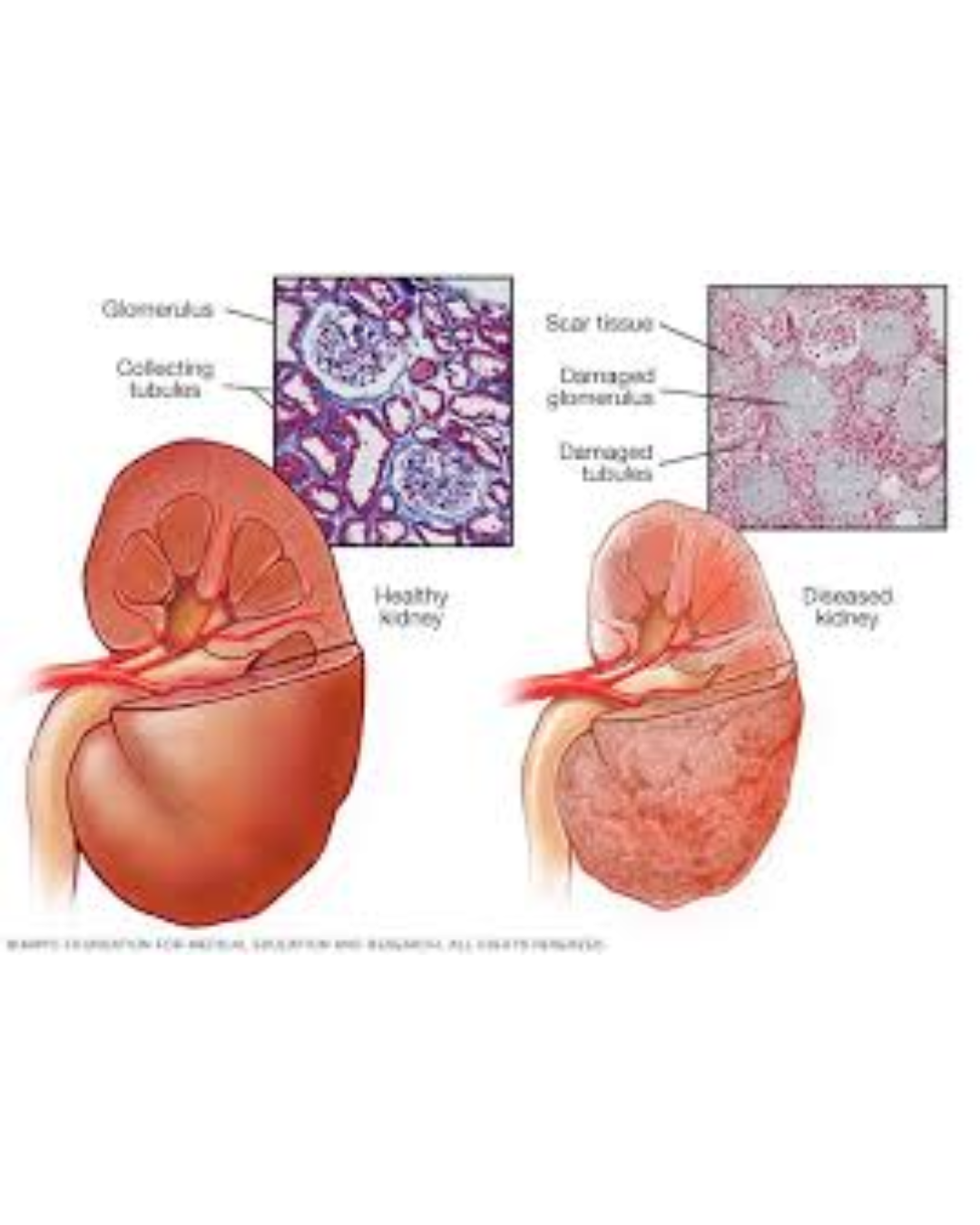
Chronic Kidney Disease (CKD), also known as chronic renal failure, is a progressive condition in which the kidneys lose their ability to function effectively over time. The kidneys play a vital role in filtering waste products, excess fluids, and toxins from the blood. CKD can eventually lead to end-stage renal disease (ESRD), requiring dialysis or kidney transplantation.
CKD is often caused by diabetes, hypertension, glomerulonephritis, or other underlying health conditions that damage the kidneys.
Causes and Risk Factors of CKD
- Diabetes (Type 1 and Type 2): Uncontrolled blood sugar damages kidney tissues.
- Hypertension (High Blood Pressure): Long-term pressure damages blood vessels in the kidneys.
- Glomerulonephritis: Inflammation of the kidney’s filtering units (glomeruli).
- Polycystic Kidney Disease: A genetic disorder causing cysts to form in the kidneys.
- Infections: Repeated kidney infections or urinary tract infections (UTIs).
- Obstructive Conditions: Kidney stones, enlarged prostate, or other obstructions.
- Autoimmune Diseases: Conditions like lupus can damage kidneys.
- Medications: Overuse of NSAIDs (non-steroidal anti-inflammatory drugs) or nephrotoxic drugs.
- Lifestyle Factors: Smoking, obesity, poor diet, and sedentary habits.
Symptoms of Chronic Kidney Disease
CKD progresses slowly over time and may not cause noticeable symptoms in its early stages. As it advances, symptoms may include:
- Fatigue and Weakness: Due to anemia and toxin buildup.
- Swelling (Edema): Puffiness in the legs, ankles, feet, or face caused by fluid retention.
- Urinary Changes: Increased or decreased urination, blood in urine, or foamy urine.
- Shortness of Breath: Fluid buildup in the lungs or anemia.
- High Blood Pressure: CKD can both cause and worsen hypertension.
- Nausea and Vomiting: Due to toxin accumulation in the blood.
- Loss of Appetite and Weight Loss: Poor metabolism and nausea.
- Itchy Skin: Toxin buildup can cause severe itching.
- Muscle Cramps: Electrolyte imbalances affect muscle function.
- Sleep Disturbances: Restless leg syndrome or sleep apnea.
Homeopathic Treatments for Chronic Kidney Disease
Homeopathy focuses on improving kidney function, addressing the underlying causes, and managing associated symptoms naturally. It is most effective in early to moderate stages of CKD and can help slow disease progression.
Common Homeopathic Remedies for CKD
- Apis Mellifica:
- For kidney inflammation, swelling (edema), and scanty urine with burning sensation.
- Useful for weakness, restlessness, and anxiety caused by toxin buildup.
- Reduces swelling and improves urinary output.
- Acts as a kidney tonic, especially when there is pain in the kidney region.
- Helps with urinary tract infections, kidney stones, and reduced urine output.
- For burning pain during urination and reduced urine output, often due to kidney inflammation.
- A powerful kidney remedy that supports kidney detoxification and improves function.
- Helps relieve fluid retention and fatigue.
- Specifically used in advanced stages of kidney failure to manage uremia and edema.
- For kidney problems with bloating, indigestion, and urinary issues.
- Useful for individuals with liver and kidney involvement.
- Treats dark, bloody urine and relieves burning pain in the kidneys.
Dosage and Usage
- Homeopathic remedies are prescribed in potencies like 30C, 200C, or as needed based on symptoms.
- Consult a professional homeopath to determine personalized remedies and dosage.
Ayurvedic Treatments for Chronic Kidney Disease
In Ayurveda, CKD is associated with imbalances in Vata and Kapha doshas, leading to impaired kidney function. Treatment focuses on detoxification (cleansing), restoring kidney function, and improving overall vitality.
Ayurvedic Herbs for CKD
- Punarnava (Boerhavia diffusa):
- A diuretic that reduces swelling, improves kidney function, and removes excess fluid.
- Acts as a natural kidney tonic, improving urinary flow and preventing kidney damage.
- Helps detoxify the kidneys, break down kidney stones, and improve urinary health.
- Enhances kidney function, boosts immunity, and reduces fatigue.
- A combination of Amalaki, Haritaki, and Bibhitaki that supports kidney detoxification and digestion.
- A classical Ayurvedic preparation for urinary and kidney health.
- Reduces inflammation and prevents oxidative stress on the kidneys.
- Provides strength, reduces fatigue, and combats stress-related kidney damage.
Ayurvedic Therapies for CKD
- Panchakarma (Detoxification):
- Procedures like Virechana (Purgation) and Basti (Enema) to cleanse toxins and balance doshas.
- Blood purification therapy to reduce toxin load and improve kidney function.
- Improves circulation, reduces edema, and relieves stress.
- Follow a low-protein, low-sodium diet.
- Eat fresh fruits (except high potassium foods), vegetables, and whole grains. Avoid processed and fried foods.
- Drink adequate water based on kidney function. Herbal teas like Punarnava tea can support kidney health.
Dietary and Lifestyle Recommendations
- Reduce Sodium Intake:
- Limit salt to prevent water retention and high blood pressure.
- Consume lean protein sources like legumes and small portions of fish/chicken (as guided by your doctor).
- Limit bananas, tomatoes, potatoes, dairy, and processed foods.
- Gentle exercise like walking or yoga improves circulation and overall health.
- Practice mindfulness, meditation, and breathing techniques.
- These habits worsen kidney function and overall health.
Conclusion
Chronic Kidney Disease is a progressive condition requiring timely intervention to slow its progression and manage symptoms. Homeopathy and Ayurveda offer natural approaches to improve kidney function, reduce toxin buildup, and enhance overall health. While these treatments provide support, CKD patients should work alongside a nephrologist for monitoring and advanced care, especially in severe cases. Early diagnosis, a healthy diet, and a holistic approach can help maintain kidney health and improve quality of life.