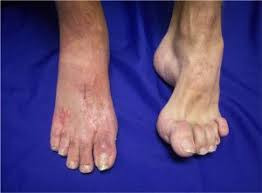
Charcot-Marie-Tooth Disease
What is Charcot-Marie-Tooth Disease (CMT)?
Charcot-Marie-Tooth Disease (CMT) is a group of inherited neurological disorders that affect the peripheral nerves, which connect the brain and spinal cord to muscles and sensory organs. Named after the doctors who first described it, CMT causes muscle weakness, atrophy, and sensory loss, primarily in the legs, feet, arms, and hands.
CMT is a progressive disease, meaning symptoms worsen over time, but it is not life-threatening. It is caused by genetic mutations that affect the structure or function of peripheral nerves.
Causes of CMT
- Genetic Mutation: CMT is inherited and caused by mutations in genes responsible for the myelin sheath (protective layer around nerves) or the nerve fibers themselves.
- It can follow different inheritance patterns: autosomal dominant, autosomal recessive, or X-linked inheritance.
Types of Charcot-Marie-Tooth Disease
- CMT Type 1: Caused by abnormalities in the myelin sheath.
- CMT Type 2: Involves defects in the nerve axons themselves.
- CMT Type 4: Rare, inherited in an autosomal recessive pattern.
- CMT X: Linked to the X chromosome, more common in men.
Symptoms of CMT
- Muscle Weakness: Begins in the feet and legs, progressing to the hands and arms.
- Foot Deformities: High arches, flat feet, or curled toes (hammertoes).
- Gait Abnormalities: Difficulty walking, foot drop, or unsteady balance.
- Reduced Reflexes: Diminished or absent deep tendon reflexes.
- Sensory Loss: Decreased sensation in the extremities (pain, touch, or temperature).
- Muscle Atrophy: Noticeable thinning of muscles in the hands, feet, and calves.
- Pain: Neuropathic pain due to nerve damage.
- Hand Weakness: Difficulty gripping objects, buttoning shirts, or writing.
- Fatigue: General weakness and lack of energy due to reduced muscle function.
Homeopathic Treatments for Charcot-Marie-Tooth Disease
Homeopathy focuses on reducing the severity of symptoms, improving nerve function, and addressing associated muscle weakness and atrophy. It offers supportive care but cannot reverse genetic damage.
Common Homeopathic Remedies
- Plumbum Metallicum:
- For muscle weakness, atrophy, and nerve degeneration. Helps in cases of foot drop and muscle paralysis.
- Effective for progressive muscle weakness and stiffness. Relieves symptoms such as difficulty walking and holding objects.
- Useful in cases of nerve inflammation, sensory loss, and weakness in limbs.
- For muscle soreness and pain caused by nerve damage. Helps improve circulation to the extremities.
- Addresses nervous system disorders and restlessness in the legs. Helps in nerve-related weakness and cramps.
- For muscular and ligament weakness, particularly in the hands and feet.
- Known as the “nerve healer,” it is useful for nerve pain, tingling, and burning sensations.
- For trembling, unsteady gait, and weakness in the extremities.
Dosage and Usage
- Remedies like 30C or 200C potency may be prescribed.
- Consult a professional homeopath for a personalized remedy plan based on the individual’s constitution and symptoms.
Ayurvedic Treatments for Charcot-Marie-Tooth Disease
In Ayurveda, CMT is considered a Vata disorder because it primarily affects the nervous system. Treatments aim to balance Vata dosha, strengthen the nerves and muscles, and improve overall function.
Ayurvedic Herbs for CMT
- Ashwagandha (Withania somnifera):
- Strengthens nerves, reduces fatigue, and improves muscle tone.
- A nerve tonic that improves strength and prevents muscle wasting.
- Nourishes muscles and nerves, promoting overall vitality.
- Enhances nervous system function and reduces nerve degeneration.
- Acts as an anti-inflammatory and supports nerve regeneration.
- A combination of ten roots, used to pacify Vata dosha and strengthen muscles.
- Boosts immunity and reduces oxidative stress on nerves.
Ayurvedic Therapies for CMT
- Abhyanga (Oil Massage):
- Massage with medicated oils like Mahanarayan Taila or Dhanwantharam Taila to improve nerve and muscle function.
- Detox therapies to balance
Vata dosha and rejuvenate the body. Includes:
- Basti (Medicated Enema): Helps pacify Vata and strengthen the nervous system.
- Shirodhara: A continuous stream of medicated oil on the forehead to calm nerves.
- Administering medicated oils through the nostrils to improve nerve health and brain function.
- Application of warm herbal oil on the lower back to strengthen nerves and muscles.
- Rejuvenation therapy to boost immunity, vitality, and nerve regeneration.
Dietary and Lifestyle Recommendations
- Balanced Diet:
- Include Vata-pacifying foods like warm soups, whole grains, cooked vegetables, and ghee.
- Avoid cold, raw, and processed foods.
- Gentle exercises, including yoga, stretching, and low-impact walking to maintain mobility and muscle tone.
- Anulom-Vilom and Bhramari to calm the nervous system and improve circulation.
- Drink warm water and herbal teas to flush toxins and balance Vata.
- Ensure sufficient rest and avoid overexertion to prevent fatigue.
- Use physiotherapy and supportive braces to improve mobility and prevent deformities.
Conclusion
Charcot-Marie-Tooth Disease is a progressive neurological condition that affects the peripheral nerves, leading to muscle weakness, atrophy, and sensory loss. While homeopathy and Ayurveda cannot reverse genetic mutations, they provide symptomatic relief, improve nerve health, and enhance quality of life. Homeopathic remedies target nerve pain, muscle weakness, and degeneration, while Ayurvedic therapies focus on balancing Vata dosha, strengthening nerves, and rejuvenating the body. For best results, consult qualified homeopathic and Ayurvedic practitioners for personalized treatment plans.