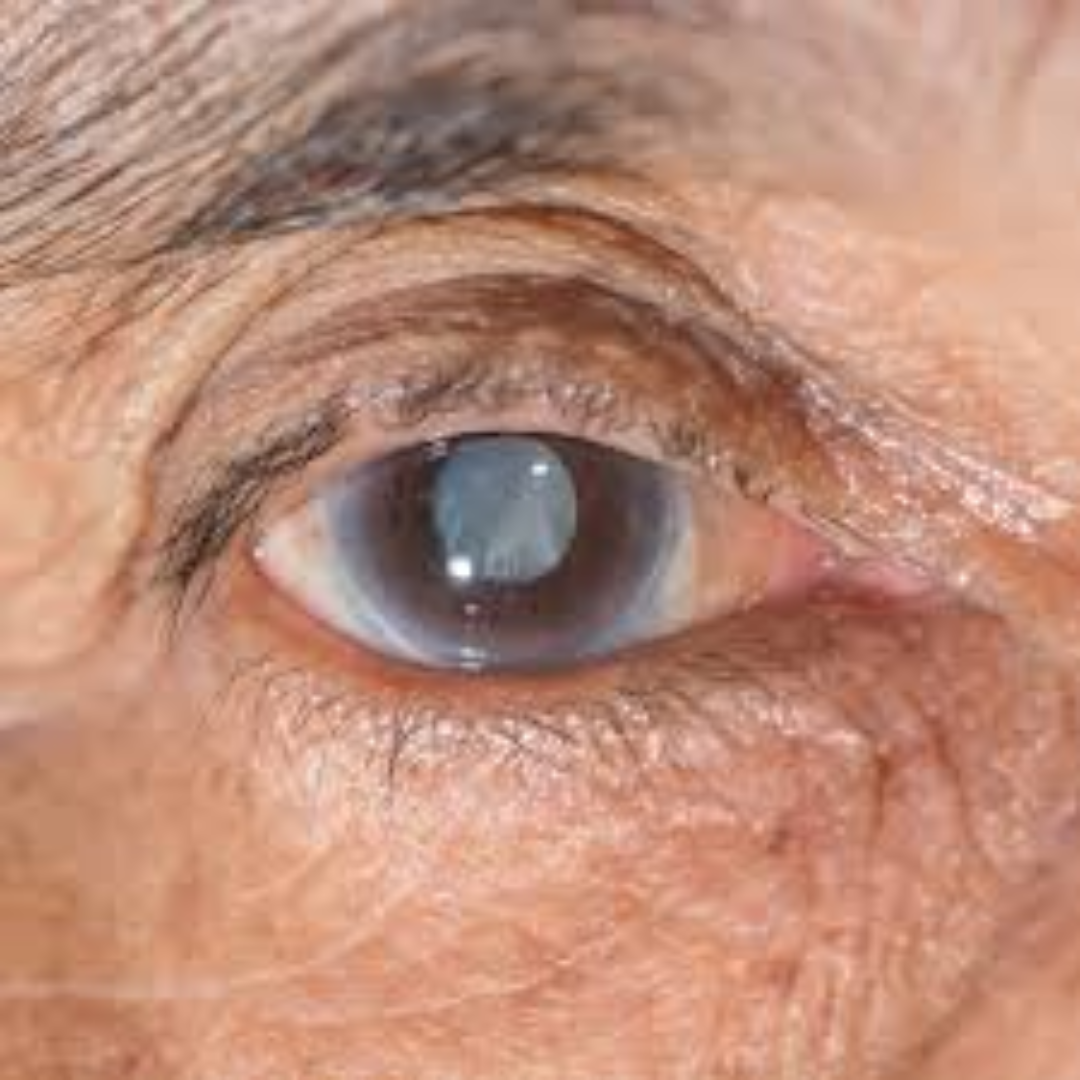
Cataract/Motiya
What is a Cataract?
A cataract is an eye condition characterized by the clouding of the eye's natural lens, leading to blurred or diminished vision. Normally, the lens is transparent and allows light to pass through. However, with a cataract, the lens becomes opaque due to the clumping of proteins, affecting vision. Cataracts are primarily associated with aging but can occur due to trauma, illness, or other factors.
Types of Cataracts
- Nuclear Cataract:
- Forms in the central zone (nucleus) of the lens and progresses gradually, leading to yellowing and hardening of the lens.
- Develops on the outer edge of the lens and grows inward, resembling spokes of a wheel.
- Affects the back surface of the lens and often progresses rapidly, impacting reading and bright-light vision.
- Present at birth or develops in early childhood due to genetic factors or infections during pregnancy.
- Caused by an eye injury, radiation, or chemical exposure.
Causes of Cataracts
- Aging: Natural lens degeneration with advancing age.
- Diabetes: High blood sugar levels accelerate cataract formation.
- UV Radiation: Prolonged exposure to ultraviolet light damages the lens.
- Injury or Trauma: Physical or chemical injury to the eye.
- Medications: Long-term use of corticosteroids can trigger cataracts.
- Nutritional Deficiencies: Lack of antioxidants like vitamins A, C, and E.
- Smoking and Alcohol: These habits increase oxidative stress on the eyes.
- Genetics: Family history of cataracts.
Symptoms of Cataracts
- Blurred or cloudy vision.
- Difficulty seeing in dim light or glare from bright light.
- Seeing halos around lights, particularly at night.
- Faded or yellowed colors.
- Poor night vision.
- Frequent changes in eyeglass prescription.
- Double vision in one eye.
Homeopathic Treatments for Cataracts
Homeopathy focuses on improving overall eye health, slowing down cataract progression, and addressing individual symptoms. It does not replace surgery but may help in early stages.
Common Homeopathic Remedies
- Calcarea Fluorica:
- Useful in the early stages of cataracts, especially when vision is clouded and lenses begin to harden.
- For cataracts with blurry vision and sensitivity to light. Commonly prescribed for individuals with weak immunity.
- Effective in cataracts among older adults, especially with a sensation of burning or dryness in the eyes.
- For cataracts due to aging or trauma, with difficulty seeing clearly and light sensitivity.
- Helps individuals who see colored halos around lights or experience weak vision.
- Suitable for early-stage cataracts with difficulty focusing and photophobia.
Dosage and Potency
- Potencies such as 6C, 30C, or 200C are typically used.
- Consultation with a qualified homeopathic practitioner is essential for personalized treatment and dosage.
Ayurvedic Treatments for Cataracts
Ayurveda links cataracts to an imbalance in Pitta dosha and the natural deterioration of Dhatus (body tissues). Treatment focuses on cleansing the body, reducing inflammation, and nourishing the eyes to slow cataract progression.
Ayurvedic Herbs for Cataracts
- Triphala:
- A blend of Amalaki, Haritaki, and Bibhitaki, Triphala strengthens eye health and reduces oxidative damage.
- Rich in vitamin C, it helps rejuvenate and nourish the eyes.
- A natural detoxifier that cleanses the eyes and slows cataract formation.
- Its active compound, curcumin, has anti-inflammatory and antioxidant properties that protect the lens.
- Medicated ghee infused with Triphala nourishes the eyes and improves vision.
Ayurvedic Therapies for Cataracts
- Netra Tarpana:
- A rejuvenation therapy where medicated ghee is applied over the eyes to nourish and restore eye tissues.
- Ayurvedic eye ointments or powders are applied to detoxify and strengthen the eyes.
- Washing the eyes with Triphala-infused water reduces strain and promotes clarity of vision.
- Detoxification therapies like Nasya (nasal cleansing) and Virechana (purgation) balance the doshas and improve eye health.
Dietary and Lifestyle Recommendations
- Eat Antioxidant-Rich Foods:
- Carrots, spinach, beetroots, almonds, and Indian gooseberries.
- Wear sunglasses when outdoors.
- Gentle eye exercises like palming and focusing on distant objects.
- These habits exacerbate oxidative stress on the lens.
- Drink sufficient water to maintain overall eye health.
Conclusion
Cataracts are a progressive eye condition that can cause significant visual impairment if untreated. While surgical intervention is the definitive treatment, homeopathy and Ayurveda offer natural remedies to slow progression, alleviate symptoms, and improve eye health in early stages. Consultation with experienced practitioners is essential for safe and effective treatment.