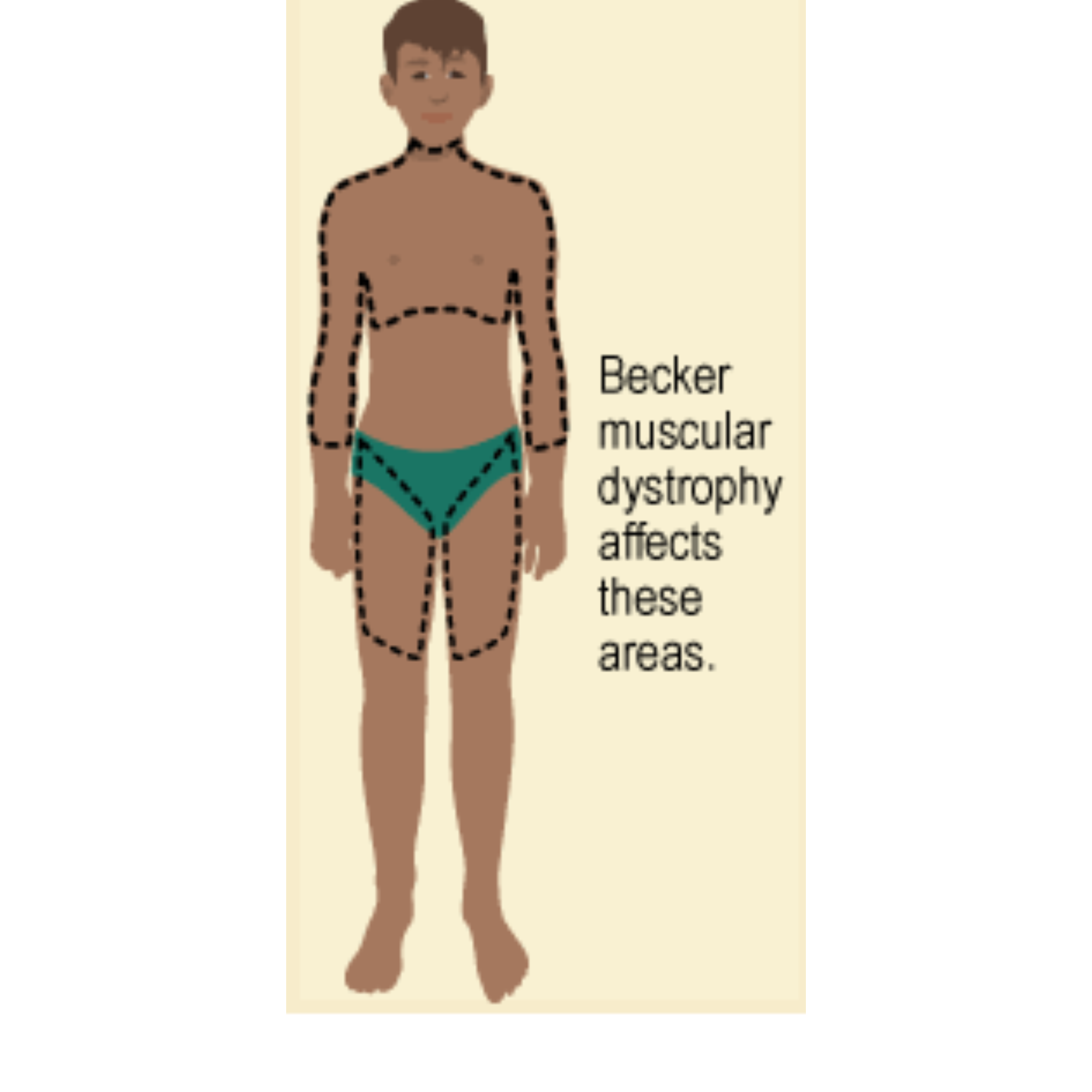
Becker Muscular Dystrophy (BMD)
What is Becker Muscular Dystrophy (BMD)?
Becker Muscular Dystrophy (BMD) is a rare, inherited genetic disorder that causes progressive muscle weakness and degeneration. It is a type of muscular dystrophy that is similar to Duchenne muscular dystrophy but has a slower progression. BMD is primarily caused by mutations in the dystrophin gene, leading to insufficient or defective dystrophin, a protein crucial for maintaining muscle cell structure and function.
Causes of Becker Muscular Dystrophy
- Genetic Mutation:
- BMD is caused by mutations in the dystrophin gene located on the X chromosome. The defective dystrophin protein leads to muscle fiber damage and progressive weakness.
- Since the gene is on the X chromosome, BMD predominantly affects males, though females can be carriers of the condition.
Symptoms of Becker Muscular Dystrophy
Symptoms typically appear in childhood or adolescence and worsen over time. They may include:
- Muscle Weakness:
- Weakness in the hips, thighs, and shoulders, leading to difficulty with activities like walking, climbing stairs, or standing up.
- Delays in walking or standing independently.
- Progressive difficulty walking, eventually requiring a wheelchair by the 20s or 30s.
- Heart-related issues, such as heart enlargement or heart failure, often develop later in life.
- Curvature of the spine (scoliosis) and other skeletal abnormalities.
- Weakening of respiratory muscles leading to breathing difficulties in later stages of the disease.
- Cramps and pain due to muscle weakness and degeneration.
Diagnosis of Becker Muscular Dystrophy
- Physical Exam:
- Doctors assess muscle strength, reflexes, and motor skills.
- Elevated levels of creatine kinase (CK) in the blood, which indicates muscle damage.
- Confirmatory tests for mutations in the dystrophin gene.
- In some cases, a muscle biopsy may be performed to examine dystrophin protein levels.
- Regular heart monitoring, including echocardiograms and electrocardiograms (ECG), to detect heart complications.
Homeopathic Treatments for Becker Muscular Dystrophy
Homeopathy focuses on treating the individual’s overall health and symptoms, offering remedies to support muscle function, manage pain, and slow down the disease's progression. While homeopathic treatments cannot cure BMD, they may help alleviate symptoms and improve quality of life.
Common Homeopathic Remedies
- Rhus Toxicodendron:
- For muscle stiffness, cramps, and joint pain, especially when symptoms worsen with motion.
- Effective for bone and muscle health, often used in children or adolescents with developmental delays and weak muscles.
- Used for joint pain and muscle weakness that worsens with movement and improves with rest.
- For muscle soreness, pain, and bruising, often after physical activity.
- A remedy for muscle cramps, spasms, and weakness, particularly in the legs.
- For digestive issues, fatigue, and weakness in those with muscular dystrophy.
Usage Guidelines
- Potency: Homeopathic remedies are typically prescribed in potencies such as 6C, 30C, or 200C.
- Dosage: Consult with a homeopathic practitioner for personalized remedies and dosage.
Ayurvedic Treatments for Becker Muscular Dystrophy
Ayurveda views muscular dystrophy as an imbalance in the body's Vata dosha, particularly affecting muscle tissue (Mamsa dhatu). The treatment aims to strengthen the muscles, improve circulation, reduce inflammation, and enhance overall vitality. While Ayurveda cannot cure BMD, it can help manage symptoms and slow the disease's progression.
Ayurvedic Herbs for Becker Muscular Dystrophy
- Ashwagandha (Withania somnifera):
- Known for its adaptogenic and rejuvenating properties, it helps strengthen muscles, improve stamina, and combat fatigue.
- A tonic for muscle strength and endurance, often used to combat muscle weakness.
- Reduces inflammation and promotes joint and muscle health.
- A powerful anti-inflammatory herb that helps reduce muscle pain and swelling.
- Boosts energy, supports muscle regeneration, and enhances vitality.
- A rejuvenating herb that supports overall vitality and can help manage symptoms of muscle weakness.
Ayurvedic Therapies for Becker Muscular Dystrophy
- Abhyanga (Oil Massage):
- Regular application of warm medicated oils like Mahanarayan oil or Bala Ashwagandha oil can help improve circulation, relieve muscle stiffness, and strengthen the body.
- Pouring warm herbal oil over the forehead to reduce stress and balance the nervous system, which can help reduce muscle weakness and improve mental clarity.
- Methods such as Vamana (therapeutic vomiting) and Virechana (purgation) are used to detoxify the body, clear impurities, and balance doshas.
- Using medicated oils through the nasal passages to relieve neurological stress and promote overall body strength.
Dietary Recommendations
- Increase Protein Intake:
- Incorporate easily digestible protein-rich foods like lentils, legumes, dairy, nuts, and seeds to support muscle health.
- Foods like ginger, garlic, turmeric, and leafy greens can help reduce inflammation in muscles and joints.
- Drink herbal teas such as ginger tea or tulsi tea to maintain fluid balance and support overall health.
- Minimize processed foods, refined sugars, and trans fats, which can contribute to inflammation and degenerative diseases.
Lifestyle Tips
- Gentle Exercise:
- Incorporate low-impact exercises like swimming or yoga to maintain muscle strength and flexibility.
- Regularly massaging muscles with Ayurvedic oils can improve blood circulation and help prevent muscle atrophy.
- Engage in meditation, pranayama, or other stress-reducing activities to promote mental well-being, as stress can exacerbate symptoms.
- Ensure adequate rest and sleep to allow for muscle recovery and regeneration.
Conclusion
Becker Muscular Dystrophy is a progressive condition that causes muscle weakness and degeneration, affecting quality of life. While homeopathy and Ayurveda cannot cure BMD, both provide supportive treatments aimed at alleviating symptoms, strengthening muscles, reducing inflammation, and enhancing overall vitality. Early diagnosis and a holistic approach to managing the condition can improve life quality and slow progression. Always consult a healthcare provider for comprehensive care and management of Becker Muscular Dystrophy.