Azoospermia, Oligospermia, and Infertility
Introduction
Infertility is the inability to conceive after a year of regular, unprotected intercourse. Male infertility is often linked to issues with sperm production, function, or delivery. Azoospermia and Oligospermia are two common conditions affecting sperm health, contributing to male infertility.
What is Azoospermia?
Azoospermia is a condition characterized by the complete absence of sperm in the semen, leading to infertility. It can be classified into:
- Obstructive Azoospermia: Caused by blockages in the reproductive tract, preventing sperm from reaching the semen.
- Non-Obstructive Azoospermia: Caused by issues in sperm production due to hormonal imbalances, genetic disorders, or testicular damage.
What is Oligospermia?
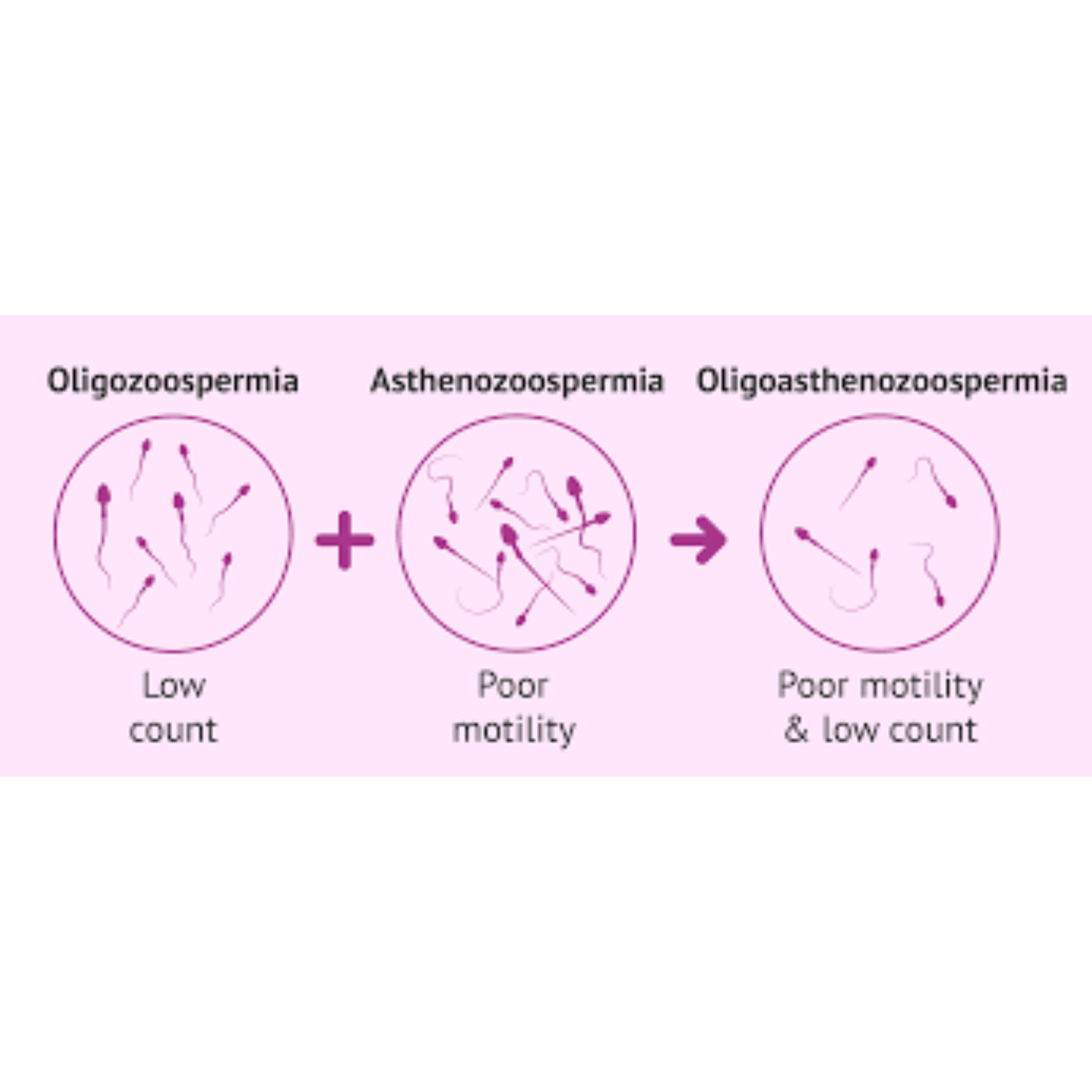
Oligospermia refers to a low sperm count in the semen, reducing the chances of fertilizing an egg. Sperm concentration in Oligospermia is below 15 million sperm per milliliter of semen. Severity levels include:
- Mild Oligospermia: 10–15 million sperm/mL.
- Moderate Oligospermia: 5–10 million sperm/mL.
- Severe Oligospermia: Less than 5 million sperm/mL.
Causes of Azoospermia and Oligospermia
- Hormonal Imbalances: Low testosterone or abnormal levels of follicle-stimulating hormone (FSH) and luteinizing hormone (LH).
- Genetic Factors: Chromosomal abnormalities like Klinefelter syndrome.
- Lifestyle Factors: Smoking, alcohol, stress, obesity, or drug use.
- Infections: STIs or conditions like mumps orchitis affecting testicular health.
- Environmental Factors: Exposure to toxins, heat, or radiation.
- Medical Conditions: Varicocele (enlarged veins in the scrotum), diabetes, or autoimmune disorders.
- Obstructions: Blockages in the vas deferens or ejaculatory ducts.
Symptoms of Azoospermia and Oligospermia
- Inability to conceive a child.
- Low semen volume or abnormal semen consistency.
- Hormonal imbalance symptoms, such as decreased libido, erectile dysfunction, or gynecomastia (breast tissue development).
- Testicular pain, swelling, or an undescended testicle.
Homeopathic Treatments
Homeopathy aims to improve sperm production, address underlying causes, and restore reproductive health. Remedies are individualized based on symptoms, emotional state, and overall constitution.
Common Homeopathic Remedies
- Agnus Castus:
- For infertility with low sexual desire and weak erections.
- For obstruction in sperm pathways, particularly after infections or trauma.
- Improves sperm count, motility, and sexual vitality.
- For low sperm count, exhaustion, and weak erections.
- Treats acidic conditions in the body that can affect sperm health.
- Often used in cases of azoospermia to stimulate the production of healthy sperm.
Usage Guidelines
- Potency: Commonly prescribed in 30C or 200C dilutions.
- Dosage: Consult a professional homeopath for proper diagnosis and dosage.
Ayurvedic Treatments
Ayurveda identifies male infertility as Shukra Dhatu Kshaya, which relates to an imbalance in the reproductive tissue (Shukra Dhatu). Treatments aim to detoxify, nourish, and rejuvenate reproductive health while balancing the doshas (Vata, Pitta, and Kapha).
Ayurvedic Herbs for Azoospermia and Oligospermia
- Ashwagandha (Withania Somnifera):
- Boosts testosterone levels, enhances sperm production, and reduces stress.
- A powerful rejuvenator that improves sperm count, motility, and vitality.
- Enhances semen quality, increases sperm concentration, and acts as an aphrodisiac.
- Improves testosterone levels and boosts libido and sperm quality.
- Enhances sperm count and strengthens reproductive health.
- Provides antioxidants and improves overall sperm health.
Ayurvedic Therapies
- Panchakarma (Detoxification):
- Treatments like Virechana (purgation) and Basti (medicated enema) help eliminate toxins and balance doshas.
- Improves circulation and supports reproductive tissue rejuvenation.
- Reduces stress, which can significantly impact fertility.
Dietary Recommendations
- Include nutrient-rich foods like milk, ghee, nuts, seeds (sunflower, sesame), and whole grains.
- Consume fresh fruits like bananas, pomegranates, and figs to enhance reproductive health.
- Avoid spicy, oily, and processed foods that aggravate dosha imbalance.
- Stay hydrated with warm water and herbal teas.
Lifestyle Modifications
- Practice Yoga: Poses like Sarvangasana (Shoulder Stand), Halasana (Plow Pose), and Bhujangasana (Cobra Pose) support reproductive health.
- Pranayama (Breathing Exercises): Anulom Vilom and Bhastrika improve stress levels and oxygenation.
- Avoid smoking, alcohol, and exposure to toxins or heat.
- Maintain a regular sleep schedule and reduce stress.
Conclusion
Both Azoospermia and Oligospermia can significantly impact male fertility, but they are manageable with a holistic approach. Homeopathy and Ayurveda offer natural, individualized treatments targeting the root causes and improving sperm health. Lifestyle modifications, proper nutrition, and stress management play a critical role in boosting reproductive health. Always consult qualified practitioners for a comprehensive evaluation and personalized treatment plan.