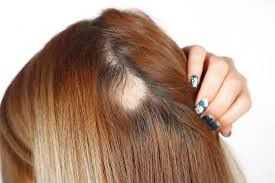
Alopacia, Hair Fall
Alopecia: Description, Symptoms, and Treatments (Homeopathic & Ayurvedic)
What is Alopecia?
Alopecia refers to hair loss from the scalp or other parts of the body. It can be temporary or permanent, depending on the underlying cause. It occurs when the hair follicles are damaged, dormant, or attacked by the immune system. Common types of alopecia include:
- Alopecia Areata: Autoimmune disorder causing patchy hair loss.
- Androgenetic Alopecia: Hereditary hair loss, also called male or female pattern baldness.
- Telogen Effluvium: Hair shedding caused by stress, illness, or hormonal imbalances.
- Traction Alopecia: Hair loss caused by repeated pulling or tension on the hair.
Common Symptoms of Alopecia
- Patchy Hair Loss: Circular or oval bald spots on the scalp, beard, or other areas.
- Thinning Hair: Gradual thinning of hair on the scalp, common in androgenetic alopecia.
- Widening Parting: Visible widening of the hair part in women.
- Scalp Changes: In some cases, the scalp may become itchy, tender, or inflamed.
- Total Hair Loss: In severe cases, loss of all scalp or body hair (alopecia totalis or universalis).
- Hair Breakage: Brittle hair breaking off near the scalp.
Homeopathic Treatments for Alopecia
Homeopathy addresses hair loss by considering the root causes, such as stress, hormonal imbalance, or autoimmunity, and tailoring treatments to the individual’s constitution.
Common Remedies
- Fluoricum Acidum (Fluoric Acid): Effective for patchy hair loss with brittle hair.
- Graphites: For hair loss associated with dry, rough, or scaly scalp.
- Phosphorus: For excessive hair loss due to stress or illness, especially with sensitivity of the scalp.
- Silicea (Silica): For hair loss associated with weak roots and brittle nails.
- Calcarea Carbonica: For hair loss in overweight individuals or those with excessive sweating.
- Lycopodium: For premature balding or thinning, especially with digestive issues.
How to Use Homeopathic Remedies
- Potencies: Common potencies used are 30C or 200C.
- Dosage: Consult a homeopath for personalized recommendations and dosages based on symptoms and overall health.
Ayurvedic Treatments for Alopecia
In Ayurveda, alopecia is often linked to imbalances in the doshas (Vata, Pitta, and Kapha) and poor nourishment of the scalp and hair follicles. Treatment focuses on restoring balance and nourishing the hair.
Ayurvedic Herbs for Hair Growth
- Bhringraj (Eclipta Alba): Known as the "king of hair," it promotes hair growth and reduces hair fall.
- Amla (Indian Gooseberry): Strengthens hair follicles, prevents greying, and enhances scalp health.
- Brahmi (Bacopa Monnieri): Nourishes hair roots, reduces stress, and improves overall scalp health.
- Neem (Azadirachta indica): Cleanses the scalp, reduces dandruff, and promotes hair regrowth.
- Ashwagandha (Withania somnifera): Reduces stress, a major cause of hair loss, and boosts immunity.
Ayurvedic Treatments
- Nasya Therapy: Applying medicated oils to the nostrils to balance doshas and reduce stress-induced hair loss.
- Shirodhara: Warm herbal oil poured over the forehead to calm the mind and promote hair health.
- Herbal Hair Masks: Mixtures of amla, bhringraj, and neem powders with curd or coconut oil applied to the scalp.
- Scalp Massage: Regular massage with oils like bhringraj oil, sesame oil, or coconut oil to stimulate circulation and nourish follicles.
Dietary and Lifestyle Recommendations
- Diet: Incorporate nutrient-rich foods like leafy greens, nuts, seeds, and dairy. Avoid processed foods and fried items.
- Yoga and Pranayama: Practices like Balasana (Child’s Pose) and Anulom Vilom (Alternate Nostril Breathing) to reduce stress and improve circulation.
- Hydration: Drink plenty of water to flush out toxins.
Conclusion
Both homeopathy and Ayurveda provide holistic approaches to managing alopecia by addressing the root causes and enhancing overall health. These treatments aim to restore the balance of the body and strengthen hair follicles. Consulting a qualified practitioner is essential to tailor treatments to individual needs. For severe cases, a combination of natural therapies and modern medical interventions may be necessary.
Bottom of Form