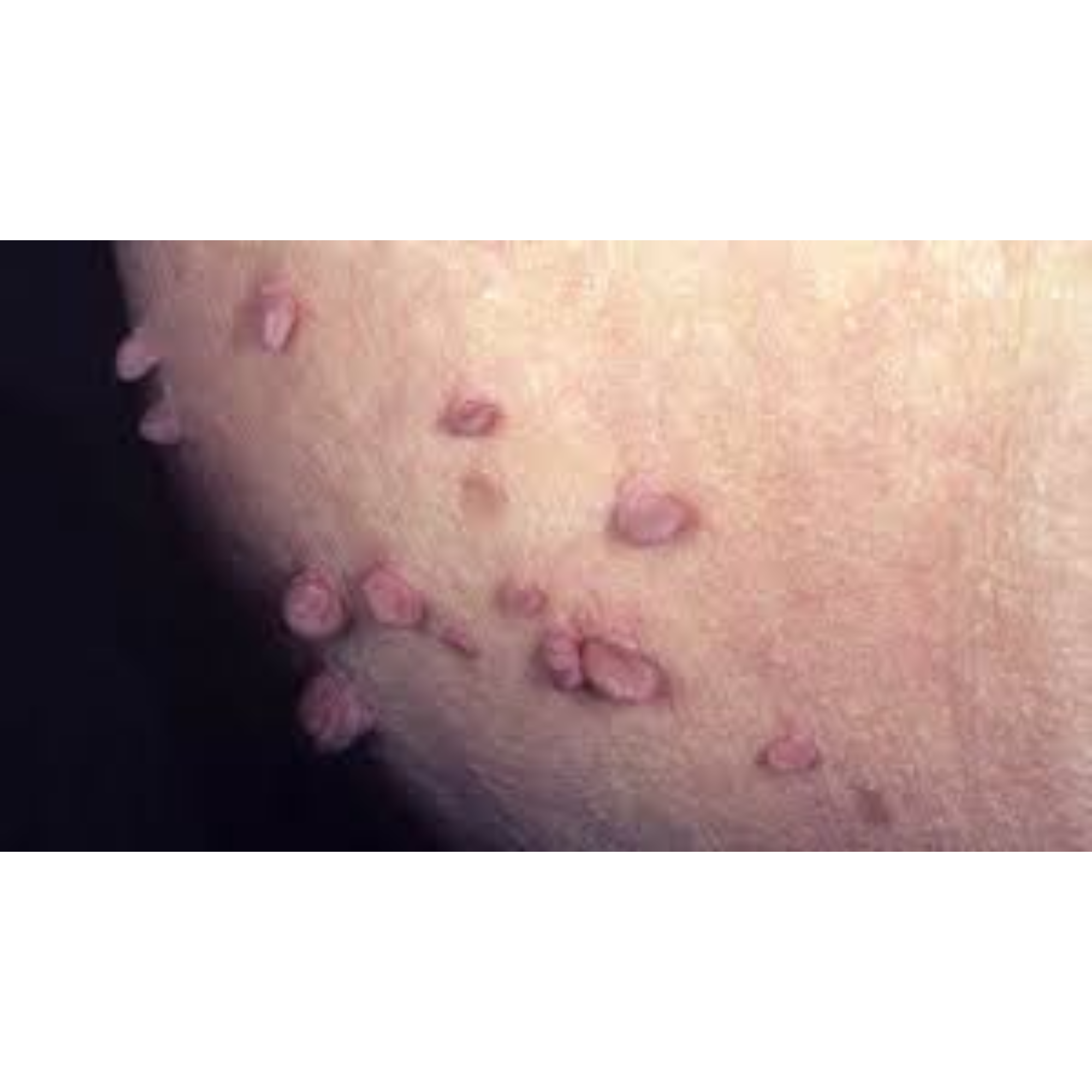
Acrochordon (Skin Tags or Massa)
What Are Acrochordons (Skin Tags)?
Acrochordon, commonly known as skin tags, are benign (non-cancerous) growths of skin that typically appear in areas where skin rubs against skin or clothing, such as the neck, armpits, groin, eyelids, and under the breasts. They are made up of loose collagen fibers, blood vessels, and skin cells. Skin tags are typically small, soft, and usually flesh-colored or slightly darker than the surrounding skin. They can range in size from a few millimeters to more than 2.5 cm in diameter.
Symptoms of Skin Tags (Acrochordon):
- Appearance: Soft, hanging growths on the skin that vary in size and color. They often resemble small flaps or protrusions.
- Location: Most commonly found in areas where skin rubs together, such as the neck, armpits, groin, eyelids, and under breasts.
- No Pain or Discomfort: Generally, skin tags do not cause pain. However, they may become irritated if they rub against clothing or jewelry.
- Increased Size: They can gradually increase in size or number over time, but this is typically a slow process.
- Non-Cancerous: Skin tags are harmless and do not develop into cancer.
Causes of Skin Tags:
The exact cause of skin tags is not entirely understood, but several factors can contribute to their development:
- Friction: Skin rubbing against skin or clothing is the most common cause.
- Age: Skin tags are more common in adults, especially those over 50 years of age.
- Obesity: People who are overweight or obese have more skin folds, increasing the risk of skin tags.
- Genetics: There may be a hereditary component. If family members have skin tags, you may be more likely to develop them.
- Hormonal Changes: Skin tags can be more common during pregnancy due to hormonal changes.
- Diabetes: Those with insulin resistance or diabetes are more likely to develop skin tags, particularly around the neck and armpits.
Homeopathic Treatments for Skin Tags:
Homeopathy aims to treat conditions by using highly diluted substances that match the symptoms of the individual. Some homeopathic remedies may help manage or reduce skin tags. However, homeopathic treatments should be considered complementary to conventional approaches and should be used under the guidance of a professional.
Common Homeopathic Remedies for Skin Tags:
- Thuja Occidentalis:
- Often prescribed for the removal of skin tags, particularly those that are warty in appearance. It's commonly used when skin tags are located around the neck, armpits, or genital area.
- Symptoms: Skin growths that are raised, often rough or warty, and multiple in number.
- Used for skin conditions like skin tags that cause itching or burning sensations. It can be helpful if the skin tags are dry or cracked.
- Symptoms: Tendency to develop skin growths, especially if they cause irritation.
- Recommended for hard or warty skin tags that might also appear on the face or body.
- Symptoms: Skin growths that are hard, and possibly accompanied by a pale complexion.
- This remedy can be useful if skin tags are located in areas prone to friction, such as the neck and armpits.
- Symptoms: Skin tags that appear as a result of hormonal changes or increased sweating.
- Sometimes prescribed for skin conditions like skin tags, particularly when they are associated with stress or emotional triggers.
- Symptoms: Skin tags that appear with a history of emotional strain or when the person feels isolated.
Other Natural and Home Remedies:
In addition to homeopathic remedies, other natural treatments can be considered:
- Apple Cider Vinegar: Some people find that applying apple cider vinegar to skin tags helps to reduce their size or remove them over time. The vinegar is thought to dry out the tissue, causing it to fall off.
- Tea Tree Oil: This oil has antimicrobial and anti-inflammatory properties. Applying a few drops on a cotton ball and placing it on the skin tag for a few minutes each day may help in reducing the growth.
- Garlic: Crushing garlic cloves and applying the paste on skin tags may help break down the tissue.
- Vitamin E Oil: This oil is often used to soothe the skin and can sometimes help with the healing of skin tags, although there's limited evidence supporting its effectiveness.
Important Notes:
- Consult a Professional: Before trying homeopathic remedies or other alternative treatments, it’s essential to consult with a healthcare professional to confirm that the growth is indeed a skin tag and not a more serious condition, such as a mole or other type of skin growth.
- Avoid Self-Removal: Skin tags should not be removed by cutting, tying off, or any DIY methods at home without professional supervision. This can lead to infection or scarring.
- When to Seek Medical Help: If a skin tag becomes painful, changes in appearance (such as color or size), or starts bleeding, consult a doctor to rule out other conditions.
In conclusion, skin tags are harmless, and while homeopathic remedies may help in some cases, it's best to consult a healthcare provider for proper diagnosis and treatment advice.