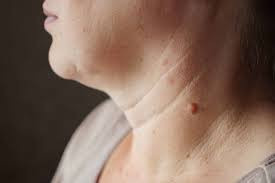
Warts
Warts – Overview
Definition:
Warts are small, rough, non-cancerous growths on the skin caused by human papillomavirus (HPV) infection. They can appear on any part of the body and vary in appearance depending on their type and location.
Causes:
-
Infection with HPV (over 100 types exist)
-
Direct skin-to-skin contact or contact with contaminated surfaces
-
Broken skin or weakened immunity increases risk
Types of Warts:
-
Common Warts (Verruca vulgaris):
-
Usually appear on hands or fingers
-
Rough, raised surface with a cauliflower-like texture
-
-
Plantar Warts:
-
Found on soles of the feet
-
Often painful due to pressure
-
May have black dots (clotted blood vessels)
-
-
Flat Warts:
-
Small, smooth, flat-topped
-
Common on the face, arms, and thighs
-
More frequent in children and young adults
-
-
Filiform Warts:
-
Long, narrow projections
-
Common on face (eyelids, lips, neck)
-
-
Periungual and Subungual Warts:
-
Around or under fingernails/toenails
-
Can affect nail growth
-
-
Genital Warts:
-
Transmitted sexually
-
Found in genital or anal areas
-
Symptoms:
-
Flesh-colored or gray growths
-
Painless (except plantar warts)
-
Itching or tenderness (occasionally)
-
Cosmetic concern depending on location
Transmission:
-
Skin-to-skin contact
-
Shared personal items (towels, razors)
-
Public places (pools, locker rooms)
Diagnosis:
-
Visual examination
-
Dermatoscopy (if uncertain)
-
Biopsy (rarely needed)
Treatment Options:
Conventional Treatment:
-
Salicylic acid preparations (over-the-counter)
-
Cryotherapy (freezing with liquid nitrogen)
-
Laser treatment
-
Electrosurgery or curettage
-
Immunotherapy (e.g., topical imiquimod)
Home Remedies:
-
Duct tape occlusion (covering wart to suffocate virus)
-
Apple cider vinegar (acidic treatment)
-
Garlic paste (antiviral properties)
Homeopathic Remedies:
-
Thuja occidentalis – Common for all types
-
Antimonium crudum – For hard, horny warts
-
Causticum – For large, painful, bleeding warts
-
Dulcamara – For warts that worsen with damp weather
Consult a licensed homeopath for personalized treatment.
Ayurvedic Treatments:
-
Tankana bhasma (Borax) – Topical use
-
Apamarga kshara – Caustic herb used to remove warts
-
Suranjana (Colchicum) – Internal purification
-
Diet regulation to balance doshas
Prevention:
-
Avoid direct contact with warts (yours or others')
-
Don’t share personal items
-
Keep feet dry and wear sandals in public showers
-
Boost immunity with a healthy lifestyle
Prognosis:
-
Most warts resolve on their own within months to years
-
Recurrence possible, especially with weak immunity
-
Treatment improves cosmetic appearance and reduces spread
Conclusion:
Warts are common viral skin growths that often resolve naturally but may require treatment for relief, cosmetic reasons, or to prevent spread. A combination of medical, homeopathic, or Ayurvedic options may be used based on individual preference and wart type.