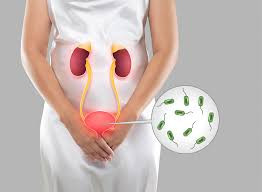
Urinary Tract Infection (UTI)
Urinary Tract Infection (UTI)
1. What is UTI?
A Urinary Tract Infection (UTI) is an infection that affects any part of the urinary system — kidneys, ureters, bladder, and urethra. Most infections involve the lower urinary tract — the bladder and the urethra.
2. Causes
-
Bacterial infection: The most common cause is bacteria, mainly Escherichia coli (E. coli) from the digestive tract.
-
Other bacteria or fungi may also cause infections.
-
Factors increasing risk: poor hygiene, sexual activity, catheter use, urinary retention, diabetes, or anatomical abnormalities.
3. Types of UTI
-
Cystitis (Bladder infection): Infection of the bladder; most common type.
-
Urethritis: Infection of the urethra.
-
Pyelonephritis: Infection of the kidneys, more serious and may cause systemic symptoms.
4. Symptoms
-
Burning sensation during urination (dysuria)
-
Frequent urge to urinate, often with little urine output
-
Cloudy, dark, bloody, or strange-smelling urine
-
Pelvic pain (in women), lower abdominal pain
-
Fever, chills, nausea, vomiting (especially with kidney infection)
-
Feeling of incomplete bladder emptying
5. Diagnosis
-
Urinalysis (checking urine for bacteria, blood, white blood cells)
-
Urine culture to identify the specific bacteria and antibiotic sensitivity
-
Imaging (if complicated or recurrent infections) — ultrasound or CT scan
6. Treatment
-
Antibiotics: Main treatment. The type depends on the bacteria found.
-
Drinking plenty of water to flush bacteria
-
Pain relievers like phenazopyridine for urinary discomfort
-
For recurrent infections: preventive antibiotics or addressing underlying causes
7. Home Remedies & Prevention
-
Drink plenty of fluids, especially water
-
Urinate frequently; don't hold urine for long periods
-
Wipe from front to back (for women) after using the toilet
-
Urinate shortly after sexual intercourse
-
Avoid irritating feminine products, like douches or powders
-
Wear breathable cotton underwear and loose-fitting clothes
-
Cranberry juice (may help prevent bacteria from sticking, but evidence is mixed)
8. When to See a Doctor
-
Symptoms last more than 2 days or worsen
-
High fever, chills, nausea, vomiting (possible kidney infection)
-
Blood in urine or severe pain
-
Recurrent UTIs
-
Pregnant women with symptoms should seek prompt care