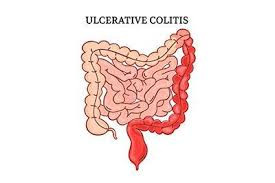
Ulcerative Colitis (UC)
Ulcerative Colitis (UC) Overview
What is Ulcerative Colitis?
Ulcerative Colitis is a chronic inflammatory bowel disease (IBD) characterized by inflammation and ulceration of the inner lining (mucosa) of the large intestine (colon) and rectum. It typically causes continuous areas of inflammation starting from the rectum and extending proximally.
Causes
-
Exact cause is unknown, but likely a combination of:
-
Immune system malfunction (autoimmune response attacking colon tissue)
-
Genetic predisposition
-
Environmental factors (diet, infections, stress)
-
Symptoms
-
Abdominal pain and cramping (usually in lower abdomen)
-
Frequent diarrhea, often with blood or pus
-
Urgency to defecate
-
Weight loss
-
Fatigue
-
Fever (sometimes)
-
Rectal bleeding
-
Tenesmus (feeling of incomplete evacuation)
Types of Ulcerative Colitis
-
Ulcerative Proctitis: Inflammation limited to the rectum.
-
Left-sided Colitis: Inflammation extends from rectum up through the sigmoid and descending colon.
-
Pancolitis: Inflammation affects the entire colon.
Diagnosis
-
Colonoscopy with biopsy (gold standard)
-
Stool tests (to exclude infections)
-
Blood tests (to check inflammation markers, anemia)
-
Imaging (CT or MRI in some cases)
Treatment
Medical Treatment
-
Aminosalicylates (5-ASA): e.g., mesalamine to reduce inflammation.
-
Corticosteroids: for short-term flare control.
-
Immunosuppressants: e.g., azathioprine, 6-mercaptopurine.
-
Biologic therapies: anti-TNF agents (infliximab), integrin inhibitors.
-
Janus kinase (JAK) inhibitors: newer oral medications.
Lifestyle and Dietary Changes
-
Balanced diet avoiding irritants (spicy foods, caffeine, alcohol)
-
Staying hydrated
-
Stress management
Surgery
-
Required if severe or unresponsive to medical treatment.
-
Removal of the colon (colectomy) can be curative.
Complications
-
Severe bleeding
-
Colon perforation
-
Increased risk of colon cancer (especially with long-standing disease)
-
Toxic megacolon
-
Extraintestinal manifestations (arthritis, skin issues, eye inflammation)
Prognosis
-
Chronic condition with periods of remission and relapse.
-
Early diagnosis and treatment improve quality of life.
-
Regular screening colonoscopies recommended after 8-10 years of disease.