Torticollis
Torticollis Overview
What is Torticollis?
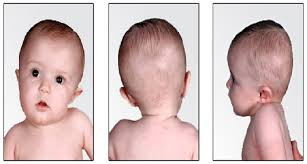
Torticollis, also known as wry neck, is a condition where the neck muscles contract involuntarily, causing the head to twist or tilt to one side. This abnormal positioning can be painful and restrict normal neck movement.
Types of Torticollis
-
Congenital Torticollis
-
Present at birth.
-
Usually caused by shortening or tightening of the sternocleidomastoid muscle.
-
May be due to position in the womb or birth trauma.
-
-
Acquired Torticollis
-
Develops after birth due to various causes such as:
-
Muscle injury or strain
-
Infections (e.g., upper respiratory infections)
-
Inflammation of cervical lymph nodes
-
Neurological disorders
-
Drug side effects
-
Tumors or structural abnormalities of the cervical spine
-
-
-
Spasmodic Torticollis (Cervical Dystonia)
-
A chronic neurological movement disorder.
-
Causes involuntary, repetitive contractions of neck muscles.
-
Often painful and progressive.
-
Symptoms
-
Head tilted or twisted to one side.
-
Limited range of motion in the neck.
-
Neck pain or discomfort.
-
Muscle stiffness or tightness.
-
Headache (in some cases).
-
Possible swelling or lumps if caused by inflammation.
Causes & Risk Factors
-
Congenital muscle abnormalities.
-
Trauma or injury to the neck.
-
Infections affecting neck muscles or lymph nodes.
-
Neurological conditions affecting muscle control.
-
Reaction to medications (e.g., antipsychotics).
-
Tumors or cervical spine abnormalities.
Diagnosis
-
Physical examination.
-
Medical history review.
-
Imaging tests (X-rays, MRI, CT scan) to rule out structural causes.
-
Neurological evaluation if spasmodic torticollis suspected.
Treatment
General Approaches
-
Physical therapy: Stretching and strengthening exercises to improve neck mobility and reduce muscle tightness.
-
Medications: Muscle relaxants, anti-inflammatory drugs, or pain relievers.
-
Heat or cold therapy: To relieve muscle stiffness and pain.
-
Botulinum toxin (Botox) injections: Especially effective for spasmodic torticollis to reduce muscle spasms.
-
Surgery: Rare, reserved for severe cases or structural abnormalities.
Home Remedies & Supportive Care
-
Gentle neck stretches and exercises.
-
Maintaining good posture.
-
Applying warm compresses to relax muscles.
-
Avoiding heavy lifting or sudden neck movements.
Prognosis
-
Many cases of congenital torticollis improve with early physical therapy.
-
Acquired torticollis often resolves when the underlying cause is treated.
-
Spasmodic torticollis is a chronic condition but can be managed with ongoing therapy.