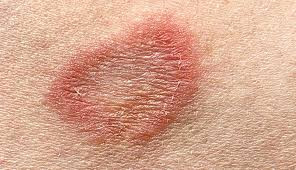
Ringworm
What is Ringworm?
Ringworm, medically known as tinea, is a common fungal infection of the skin. Despite its name, it is not caused by a worm but by a group of fungi called dermatophytes. It affects the skin, scalp, nails, or feet.
Causes
-
Caused by dermatophyte fungi (e.g., Trichophyton, Microsporum, Epidermophyton species)
-
Spreads through direct skin-to-skin contact or by touching contaminated objects like towels, clothes, or surfaces
-
Thrives in warm, moist environments
Symptoms
-
Circular, red, scaly patches on the skin
-
The patches may be itchy and may expand outward forming ring-like shapes with clearer centers
-
Cracking, peeling, or blistering of skin in affected areas
-
Hair loss in scalp infections
-
Thickened, discolored nails in nail infections
Common Types of Ringworm
-
Tinea corporis: Ringworm on the body
-
Tinea pedis (Athlete’s foot): Ringworm on the feet
-
Tinea cruris (Jock itch): Ringworm in the groin area
-
Tinea capitis: Ringworm on the scalp
-
Tinea unguium (Onychomycosis): Ringworm in the nails
Diagnosis
-
Physical examination of the skin
-
Skin scraping examined under a microscope or cultured to identify the fungus
Treatment
-
Topical antifungal creams (e.g., clotrimazole, miconazole, terbinafine) applied to the affected area for 2-4 weeks
-
Oral antifungal medications (e.g., terbinafine, griseofulvin) for extensive infections or scalp/nail involvement
-
Keep the affected area clean and dry
-
Avoid sharing personal items to prevent spread
Prevention
-
Maintain good personal hygiene
-
Keep skin dry and cool
-
Avoid sharing towels, clothing, and sports gear
-
Wear breathable clothing
-
Treat pets if infected, as they can carry fungi