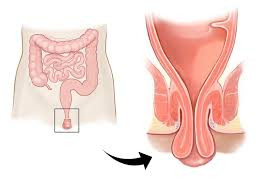
Rectal Prolapse
Rectal Prolapse Overview
Definition
Rectal prolapse is a medical condition where the rectum (the final section of the large intestine) slips through the anus and becomes visible outside the body. It can be partial (only the inner lining protrudes) or complete (the entire rectal wall protrudes).
Types
-
Internal Prolapse (Intussusception): The rectum folds in on itself but doesn't protrude outside.
-
Mucosal Prolapse: Only the inner lining of the rectum protrudes.
-
Complete (Full-Thickness) Prolapse: The entire wall of the rectum slides out through the anus.
Causes
-
Chronic constipation or straining
-
Weak pelvic floor muscles
-
Nerve damage (due to childbirth, surgery, spinal injury)
-
Aging (more common in elderly individuals)
-
Cystic fibrosis (in children)
-
Chronic diarrhea
Symptoms
-
A visible bulge from the anus, especially after a bowel movement
-
Mucus or blood discharge
-
Fecal incontinence (loss of bowel control)
-
Rectal pain or discomfort
-
Sensation of incomplete evacuation
Risk Factors
-
Female gender (especially after multiple vaginal deliveries)
-
Age over 50
-
History of chronic bowel issues
-
Previous pelvic surgeries
Diagnosis
-
Physical examination
-
Defecography (X-ray or MRI while defecating)
-
Colonoscopy or sigmoidoscopy (to rule out other conditions)
Treatment
Conventional Treatments
-
Stool softeners and laxatives: To avoid straining
-
Physical therapy: Pelvic floor strengthening exercises
-
Surgical Options:
-
Rectopexy: Rectum is repositioned and secured inside the pelvis
-
Perineal procedures: For elderly or high-risk patients
-
Home Remedies & Lifestyle Tips
-
High-fiber diet to ease bowel movements
-
Adequate hydration
-
Avoid prolonged sitting on the toilet
-
Regular pelvic floor exercises (e.g., Kegels)
Ayurvedic Approach
-
Basti (medicated enema): To nourish and strengthen rectal tissues
-
Herbal formulations: Triphala, Ashwagandha, and Kutaja to improve digestion and muscle tone
-
Diet: Warm, easy-to-digest foods, avoid constipation-triggering foods
Homeopathic Options
-
Podophyllum: For prolapse with diarrhea
-
Ignatia: For prolapse linked to emotional stress
-
Nux vomica: For prolapse with constipation
(Always consult a qualified practitioner before starting remedies.)
Complications
-
Chronic constipation or incontinence
-
Rectal ulcers or bleeding
-
Infection or strangulation (rare)
Conclusion
Rectal prolapse, though distressing, is treatable with lifestyle changes, medical management, or surgery depending on the severity. Early diagnosis and intervention significantly improve outcomes and quality of life.