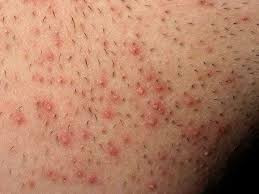
Razor Bump
Razor Bump (Pseudofolliculitis Barbae) – Overview
Definition:
Razor bumps, medically known as pseudofolliculitis barbae, are small, irritated bumps on the skin caused by ingrown hairs that develop after shaving. This condition commonly affects areas like the beard, neck, underarms, legs, and bikini line.
Causes
-
Improper shaving technique (e.g., shaving too closely or against the grain)
-
Curly or coarse hair (more likely to curl back into the skin)
-
Clogged pores or dead skin trapping the hair
-
Tight clothing rubbing against freshly shaved skin
Symptoms
-
Red or dark raised bumps
-
Itching or tenderness
-
Pus-filled lesions in severe cases
-
Hyperpigmentation or scarring (with chronic irritation)
Types
-
Extrafollicular ingrown hairs: Hair grows out of the follicle but curls back into the skin.
-
Transfollicular ingrown hairs: Hair never exits the follicle and grows beneath the skin.
Treatment Options
✅ Home Remedies
-
Warm compress: Softens the skin and opens pores.
-
Aloe vera or tea tree oil: Reduces inflammation and infection.
-
Sugar or oatmeal scrubs: Gentle exfoliation helps release trapped hairs.
-
Avoid shaving for a few days to allow healing.
✅ Medical Treatments
-
Topical antibiotics: For infected bumps.
-
Retinoids (e.g., tretinoin): Promote exfoliation and prevent ingrown hairs.
-
Steroid creams: Reduce inflammation.
-
Laser hair removal: Long-term solution by reducing hair growth.
✅ Ayurvedic Remedies
-
Neem paste: Antibacterial and healing properties.
-
Turmeric and sandalwood paste: Reduces swelling and redness.
-
Coconut oil with camphor: Soothes and cools inflamed skin.
✅ Homeopathic Remedies
-
Thuja occidentalis: For recurrent skin eruptions and infections.
-
Sulphur: For chronic skin irritation and itching.
-
Hepar sulphuris: For painful, pus-filled bumps.
Prevention Tips
-
Use a sharp, clean razor each time.
-
Shave in the direction of hair growth.
-
Use a shaving gel or cream to reduce friction.
-
Don’t stretch the skin while shaving.
-
Exfoliate regularly to prevent hair entrapment.
-
Consider switching to electric clippers or laser hair removal if recurrent.
Conclusion
Razor bumps are common but manageable with proper shaving techniques, skincare routines, and medical or natural treatments. For persistent or severe cases, consult a dermatologist.