Progressive Muscular Atrophy
Progressive Muscular Atrophy (PMA)
What is PMA?
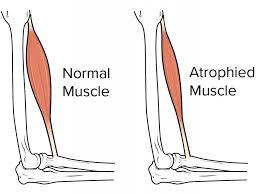
Progressive Muscular Atrophy is a rare type of motor neuron disease that primarily affects the lower motor neurons, which control voluntary muscle movement. It leads to gradual muscle wasting (atrophy) and weakness without involvement of the upper motor neurons (which cause spasticity or exaggerated reflexes).
Causes
-
The exact cause is unknown.
-
It is considered a neurodegenerative disorder.
-
It may be linked to genetic factors or environmental triggers, but no definitive cause is established.
Symptoms
-
Gradual, progressive muscle weakness.
-
Muscle wasting (atrophy), especially in the hands, forearms, and legs.
-
Fasciculations (muscle twitches).
-
Muscle cramps.
-
No spasticity or hyperactive reflexes (unlike in ALS).
-
Slow progression compared to ALS.
-
Difficulty with fine motor skills, such as buttoning clothes or writing.
Differences from ALS
-
PMA affects only lower motor neurons.
-
ALS affects both upper and lower motor neurons.
-
PMA generally progresses slower.
-
Spasticity and exaggerated reflexes are absent in PMA.
Diagnosis
-
Clinical examination focusing on muscle strength, tone, and reflexes.
-
Electromyography (EMG) to detect lower motor neuron dysfunction.
-
MRI and other tests to rule out other causes.
-
Blood tests and genetic testing to exclude other diseases.
Treatment
-
No cure currently available.
-
Treatment is supportive and focuses on symptom management:
-
Physical therapy to maintain muscle strength and prevent contractures.
-
Occupational therapy for adapting daily activities.
-
Pain and cramp management.
-
Nutritional support.
-
-
Regular monitoring by neurologists.
-
Experimental treatments and clinical trials may be available.
Prognosis
-
PMA progresses more slowly than ALS.
-
Life expectancy can vary widely.
-
Some patients may eventually develop upper motor neuron signs and transition to ALS.
Summary
Progressive Muscular Atrophy is a rare motor neuron disease affecting only the lower motor neurons, causing progressive muscle wasting and weakness without spasticity. It has no cure, and treatment is aimed at improving quality of life through supportive care.