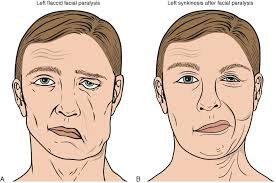
Progressive Bulbar Palsy
Progressive Bulbar Palsy (PBP)
What is Progressive Bulbar Palsy?
Progressive Bulbar Palsy is a neurological disorder characterized by the progressive degeneration of motor neurons in the brainstem, specifically those controlling the muscles involved in speech, swallowing, and facial movements. It is one of the motor neuron diseases and is sometimes considered a variant or part of the spectrum of Amyotrophic Lateral Sclerosis (ALS).
Causes
-
Unknown (Idiopathic): Most cases have no clear cause.
-
Genetic factors: Some familial forms linked to mutations.
-
Motor neuron degeneration: The motor neurons in the bulbar region (medulla oblongata) deteriorate.
Symptoms
Symptoms usually develop gradually and worsen over time, including:
-
Difficulty swallowing (dysphagia)
-
Slurred speech (dysarthria)
-
Weakness or wasting of muscles in the face, tongue, throat
-
Difficulty chewing
-
Excessive drooling
-
Emotional lability (uncontrollable laughing or crying)
-
Nasal voice quality or choking while eating
-
Weakness in neck muscles leading to head drop
Diagnosis
-
Clinical examination focusing on bulbar signs
-
Electromyography (EMG) showing motor neuron degeneration
-
MRI to rule out other brainstem lesions
-
Blood tests to exclude other causes (infection, metabolic disorders)
-
Neurological evaluation and progression monitoring
Treatment
Currently, there is no cure for PBP. Treatment is supportive and symptomatic:
-
Speech therapy: To improve communication
-
Swallowing therapy: To reduce choking risk
-
Nutritional support: May require feeding tubes in advanced cases
-
Medications: To manage symptoms such as excessive saliva
-
Physical therapy: To maintain muscle function as long as possible
-
Respiratory support: In advanced stages, breathing assistance may be needed
Prognosis
-
PBP is progressive and usually leads to severe disability.
-
It typically progresses more rapidly than other forms of motor neuron disease.
-
Life expectancy can vary but is often limited to a few years after symptom onset.