Pharyngitis
Pharyngitis
Definition
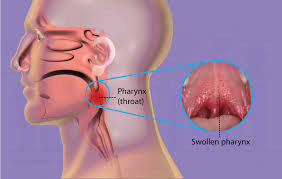
Pharyngitis is the inflammation of the pharynx, which is the back of the throat, leading to a sore throat. It is commonly caused by infections (viral or bacterial) or irritants.
Causes
-
Viral infections (most common): e.g., common cold viruses, influenza, Epstein-Barr virus (mononucleosis), adenovirus.
-
Bacterial infections: most notably Group A Streptococcus (causes strep throat).
-
Irritants: smoke, pollution, dry air, allergens.
-
Other causes: fungal infections (rare), trauma, or chronic inflammation.
Symptoms
-
Sore throat (pain, scratchiness)
-
Difficulty swallowing
-
Redness/swelling of the throat
-
Fever (common in bacterial causes)
-
Swollen lymph nodes in the neck
-
White patches or pus on the tonsils (especially in strep throat)
-
Hoarseness or loss of voice
-
Cough, runny nose (more common in viral pharyngitis)
Types of Pharyngitis
-
Viral Pharyngitis
-
Usually milder symptoms
-
Often accompanied by cold-like symptoms (cough, runny nose)
-
-
Bacterial Pharyngitis
-
More severe throat pain
-
Fever > 101°F (38.3°C)
-
Swollen lymph nodes
-
Absence of cough (helps differentiate from viral)
-
-
Chronic Pharyngitis
-
Long-lasting sore throat due to ongoing irritation or allergies
-
Diagnosis
-
Clinical examination (throat inspection, palpation of lymph nodes)
-
Rapid antigen detection test (for strep throat)
-
Throat culture (gold standard for bacterial detection)
-
Blood tests if systemic symptoms or other causes suspected
Treatment
General/Supportive Treatment (All types)
-
Rest and hydration
-
Warm salt water gargles
-
Throat lozenges or sprays
-
Pain relievers: acetaminophen or ibuprofen
-
Avoid irritants (smoke, pollution)
Specific Treatment
-
Viral pharyngitis: No antibiotics; symptomatic care only
-
Bacterial pharyngitis (Strep throat): Antibiotics (usually penicillin or amoxicillin)
-
Chronic pharyngitis: Avoid irritants, treat allergies, possibly steroids in some cases
Complications (if untreated, especially bacterial)
-
Rheumatic fever
-
Post-streptococcal glomerulonephritis
-
Peritonsillar abscess
-
Spread of infection to nearby tissues
Prevention
-
Good hand hygiene
-
Avoid sharing utensils or drinks
-
Avoid close contact with infected people
-
Cover mouth while coughing or sneezing