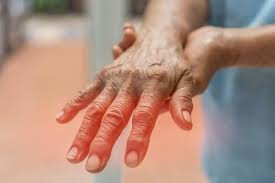
Peripheral Neuropathy
Peripheral Neuropathy
Definition
Peripheral neuropathy is a condition resulting from damage to the peripheral nerves, which are the nerves outside the brain and spinal cord. This damage disrupts communication between the central nervous system and the rest of the body, causing various sensory, motor, and autonomic symptoms.
Causes
-
Diabetes mellitus (most common cause)
-
Infections (e.g., Lyme disease, HIV)
-
Autoimmune diseases (e.g., Guillain-Barré syndrome)
-
Trauma or injury (nerve compression or physical injury)
-
Vitamin deficiencies (B1, B6, B12, E)
-
Alcoholism
-
Exposure to toxins (e.g., heavy metals, chemotherapy drugs)
-
Genetic disorders (e.g., Charcot-Marie-Tooth disease)
-
Chronic kidney or liver disease
-
Idiopathic (unknown cause)
Types of Peripheral Neuropathy
-
Sensory neuropathy: Affects nerves that sense pain, temperature, and touch.
-
Motor neuropathy: Affects muscles, causing weakness or paralysis.
-
Autonomic neuropathy: Affects nerves controlling involuntary functions (heart rate, digestion, sweating).
Symptoms
-
Tingling, numbness, or burning sensation (often starting in feet and hands)
-
Sharp, stabbing, or shooting pain
-
Muscle weakness or cramps
-
Loss of coordination and balance
-
Sensitivity to touch
-
Decreased reflexes
-
Changes in blood pressure or heart rate (if autonomic nerves involved)
-
Digestive problems, urinary difficulties (in autonomic neuropathy)
Diagnosis
-
Clinical evaluation and detailed history
-
Neurological examination
-
Blood tests (to identify underlying causes like diabetes, vitamin deficiency)
-
Electromyography (EMG) and nerve conduction studies (NCS)
-
Imaging (MRI or ultrasound if nerve compression suspected)
-
Nerve biopsy (rarely)
Treatment
General Measures
-
Treat underlying cause (e.g., control diabetes, vitamin supplementation)
-
Avoid alcohol and toxins
-
Physical therapy to maintain muscle strength and coordination
-
Pain management
Medications for Symptom Relief
-
Pain relievers (NSAIDs, acetaminophen)
-
Antidepressants (e.g., amitriptyline, duloxetine)
-
Anticonvulsants (e.g., gabapentin, pregabalin)
-
Topical treatments (capsaicin cream, lidocaine patches)
Alternative/Complementary Approaches
-
Acupuncture
-
Nutritional support and supplements (B vitamins, alpha-lipoic acid)
-
Homeopathy (individualized remedies based on symptoms)
-
Ayurvedic treatments (herbal formulations, massage therapies like Abhyanga)
Prognosis
-
Depends on cause and extent of nerve damage.
-
Some neuropathies improve with treatment, others may be chronic.
-
Early diagnosis and management improve outcomes.