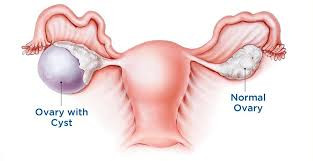
Ovarian Cyst
Ovarian Cyst Overview
Definition:
An ovarian cyst is a fluid-filled sac that develops on or inside an ovary. They are common and usually form during the menstrual cycle.
Types of Ovarian Cysts
-
Functional Cysts
-
Most common type
-
Includes follicular cysts and corpus luteum cysts
-
Usually harmless and often resolve on their own
-
-
Pathological Cysts
-
Include dermoid cysts, cystadenomas, and endometriomas
-
Can be benign or malignant (rarely cancerous)
-
Symptoms
-
Often asymptomatic
-
Pelvic pain or discomfort
-
Bloating or abdominal fullness
-
Irregular menstrual cycles
-
Pain during intercourse or bowel movements
-
Occasionally, severe pain if cyst ruptures or causes ovarian torsion
Causes
-
Hormonal imbalances affecting ovulation
-
Endometriosis
-
Pregnancy-related cysts
-
Severe pelvic infections
Diagnosis
-
Pelvic ultrasound (most common)
-
Physical pelvic exam
-
Blood tests (e.g., CA-125 for cancer markers if needed)
-
MRI or CT scan (if further imaging required)
Treatment
-
Observation: Most cysts disappear on their own within a few menstrual cycles
-
Medications: Hormonal contraceptives may prevent new cysts
-
Surgery: Required if cyst is large, persistent, causing symptoms, or suspicious for malignancy
-
Laparoscopy or laparotomy to remove cyst or ovary if necessary
-
Complications
-
Rupture causing severe pain and internal bleeding
-
Ovarian torsion cutting off blood supply
-
Rarely, malignancy
Prevention & Monitoring
-
Regular pelvic exams
-
Monitoring cysts via ultrasound if recurrent
-
Managing underlying conditions like hormonal imbalances or endometriosis