Osteoarthritis
Osteoarthritis (OA) Overview
Definition
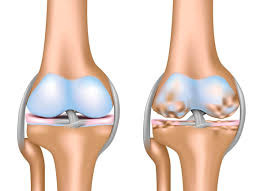
Osteoarthritis (OA) is a degenerative joint disease characterized by the breakdown of cartilage and underlying bone, typically in weight-bearing joints. It is the most common form of arthritis, especially among older adults.
Causes and Risk Factors
-
Aging (most common cause)
-
Joint injury or overuse (e.g., athletes, manual laborers)
-
Obesity (increased stress on joints)
-
Genetics
-
Gender (more common in women)
-
Joint deformities or congenital issues
Commonly Affected Joints
-
Knees
-
Hips
-
Hands (fingers, base of thumb)
-
Spine (especially lower back and neck)
Symptoms
-
Joint pain, worsened with activity and relieved by rest
-
Stiffness, especially in the morning or after rest
-
Swelling around the joint
-
Loss of flexibility
-
Grating sensation or cracking (crepitus)
-
Bone spurs (osteophytes) in advanced stages
-
Deformity in chronic cases
Diagnosis
-
Physical exam
-
X-rays (show joint space narrowing, bone spurs)
-
MRI (for early cartilage damage)
-
Blood tests (to rule out other types of arthritis like RA)
Treatment
1. Conventional/Medical Treatment
-
Pain relievers: Acetaminophen, NSAIDs (e.g., ibuprofen)
-
Topical agents: Diclofenac gel
-
Corticosteroid injections
-
Hyaluronic acid injections (knee OA)
-
Physical therapy
-
Assistive devices: Braces, canes
-
Surgery: Joint replacement (hip or knee) in severe cases
2. Home Remedies and Lifestyle
-
Weight loss to reduce joint stress
-
Low-impact exercise: Swimming, walking, yoga
-
Heat/cold therapy
-
Balanced diet rich in anti-inflammatory foods
3. Alternative Therapies
-
Homeopathy (symptom-based remedies like Rhus toxicodendron, Bryonia)
-
Ayurveda: Formulas like Ashwagandha, Guggulu, Shallaki, and oil massages (Abhyanga)
-
Acupuncture
Complications
-
Chronic pain and disability
-
Reduced mobility and independence
-
Depression due to long-term discomfort
Conclusion
Osteoarthritis is a progressive, wear-and-tear joint disorder with no known cure, but early diagnosis and proper management can significantly improve quality of life. A combination of medical treatment, lifestyle modification, and, where appropriate, alternative therapies can help control symptoms and maintain joint function.