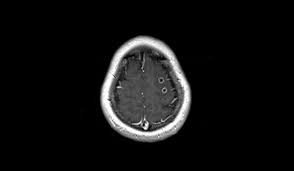
Neurocysticercosis
Neurocysticercosis Overview
Definition
Neurocysticercosis is a parasitic infection of the central nervous system caused by the larval stage (cysticercus) of the pork tapeworm Taenia solium. It occurs when humans ingest tapeworm eggs from contaminated food or water, leading to larval cysts forming in the brain.
Causes
-
Ingestion of Taenia solium eggs through:
-
Contaminated food or water
-
Poor hygiene
-
Fecal-oral transmission (especially in areas with poor sanitation)
-
-
Auto-infection (in individuals already infected with the adult tapeworm)
Symptoms
Symptoms vary depending on the number, size, location, and stage of the cysts. Common signs include:
-
Seizures (most common presentation)
-
Headaches
-
Hydrocephalus (fluid accumulation in the brain)
-
Nausea and vomiting
-
Confusion or altered mental status
-
Focal neurological deficits (e.g., weakness or vision problems)
-
Signs of increased intracranial pressure
Types
Based on the location of the cysts:
-
Parenchymal – within brain tissue (causes seizures)
-
Extraparenchymal – in ventricles, subarachnoid space, or spinal cord (more severe, leads to hydrocephalus)
-
Ocular – in the eyes
-
Spinal – along the spinal cord
Diagnosis
-
Neuroimaging:
-
CT scan or MRI showing cysts, calcifications, or scolex (tapeworm head)
-
-
Serologic tests:
-
Enzyme-linked immunoelectrotransfer blot (EITB)
-
ELISA
-
-
Lumbar puncture (in some cases)
-
Clinical history and epidemiology (travel to or living in endemic areas)
Treatment
-
Antiparasitic medications:
-
Albendazole
-
Praziquantel
-
-
Anti-inflammatory drugs:
-
Corticosteroids (e.g., dexamethasone) to reduce brain inflammation
-
-
Anti-seizure medications for seizure control
-
Surgical intervention:
-
For obstructive hydrocephalus (e.g., ventriculoperitoneal shunt)
-
Endoscopic removal of cysts in ventricular system
-
-
Supportive care and long-term seizure management
Prevention
-
Proper hand hygiene and sanitation
-
Thorough cooking of pork
-
Regular deworming in endemic areas
-
Health education in communities with poor sanitation
-
Screening and treatment of tapeworm carriers
Prognosis
-
Good in most cases with appropriate treatment, especially in parenchymal disease
-
Can be severe or fatal if untreated, particularly in extraparenchymal forms