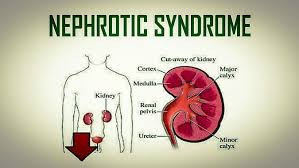
Nephrotic Syndrome
Nephrotic Syndrome
What is Nephrotic Syndrome?
Nephrotic Syndrome is a kidney disorder characterized by excessive protein loss in the urine, low levels of protein in the blood, swelling (edema), and high cholesterol levels. It occurs due to damage to the glomeruli — the tiny filtering units in the kidneys that normally prevent protein from leaking into the urine.
Causes
-
Primary (Kidney-specific causes):
-
Minimal Change Disease (most common in children)
-
Focal Segmental Glomerulosclerosis (FSGS)
-
Membranous Nephropathy
-
-
Secondary (Systemic diseases causing nephrotic syndrome):
-
Diabetes mellitus (diabetic nephropathy)
-
Lupus erythematosus (SLE)
-
Amyloidosis
-
Infections (hepatitis B/C, HIV)
-
Drugs or toxins
-
Symptoms
-
Proteinuria: Excessive protein in urine, often foamy urine
-
Edema: Swelling in legs, ankles, around eyes, and sometimes abdomen
-
Hypoalbuminemia: Low albumin levels in blood
-
Hyperlipidemia: High cholesterol and triglycerides in blood
-
Fatigue and general malaise
-
Weight gain due to fluid retention
Diagnosis
-
Urinalysis: Detects proteinuria
-
24-hour urine protein collection: Quantifies protein loss (>3.5 g/day suggests nephrotic syndrome)
-
Blood tests: To check albumin, cholesterol, kidney function
-
Kidney biopsy: Often needed to identify the exact cause
Treatment
-
General Measures:
-
Control edema with diuretics
-
Reduce proteinuria with ACE inhibitors or ARBs
-
Control blood pressure
-
Low-sodium diet to reduce swelling
-
Manage hyperlipidemia with statins if needed
-
-
Specific Treatments:
-
Corticosteroids (especially in Minimal Change Disease)
-
Immunosuppressive drugs (if steroid-resistant or in specific diseases like FSGS)
-
Treat underlying causes if secondary nephrotic syndrome (e.g., diabetes, infections)
-
Complications
-
Increased risk of infections (due to loss of immunoglobulins)
-
Blood clots (due to loss of anticoagulant proteins)
-
Acute kidney injury or chronic kidney disease progression
-
Malnutrition (due to protein loss)
Prognosis
-
Varies depending on cause and response to treatment
-
Children with minimal change disease often respond well to steroids
-
Some cases may progress to chronic kidney disease