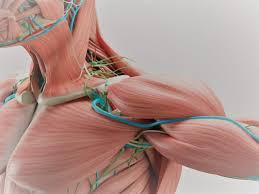
Myotonic Muscular Dystrophy
Myotonic Muscular Dystrophy (MMD)
What is Myotonic Muscular Dystrophy?
Myotonic Muscular Dystrophy is a genetic, progressive neuromuscular disorder characterized by muscle weakness, myotonia (delayed relaxation of muscles after contraction), and multi-system involvement affecting muscles and other organs.
It is the most common form of adult-onset muscular dystrophy.
Types of Myotonic Muscular Dystrophy
-
Type 1 (DM1) - Steinert's Disease
-
Caused by a CTG trinucleotide repeat expansion in the DMPK gene on chromosome 19.
-
Symptoms typically start in adulthood but can be congenital.
-
More severe and common than DM2.
-
-
Type 2 (DM2) - Proximal Myotonic Myopathy (PROMM)
-
Caused by a CCTG repeat expansion in the CNBP gene on chromosome 3.
-
Usually milder than DM1, with adult onset.
-
Proximal muscles are more affected.
-
Symptoms
-
Muscle symptoms:
-
Myotonia (difficulty relaxing muscles after use)
-
Progressive muscle weakness and wasting, especially in the face, neck, and distal limbs (DM1) or proximal limbs (DM2)
-
Difficulty swallowing and speaking
-
Drooping eyelids (ptosis)
-
Muscle stiffness and cramps
-
-
Non-muscle symptoms:
-
Cataracts
-
Cardiac conduction abnormalities (arrhythmias)
-
Endocrine disturbances (diabetes, thyroid problems)
-
Cognitive impairments or learning difficulties (especially in congenital DM1)
-
Gastrointestinal problems
-
Respiratory difficulties due to muscle weakness
-
Causes and Genetics
-
Autosomal dominant inheritance.
-
Expansion of unstable nucleotide repeats (CTG for DM1, CCTG for DM2).
-
The number of repeats correlates with severity and age of onset (anticipation phenomenon, especially in DM1).
Diagnosis
-
Clinical evaluation (history, physical exam showing myotonia and muscle weakness).
-
Electromyography (EMG) shows myotonic discharges.
-
Genetic testing confirms repeat expansions in DMPK or CNBP genes.
-
Cardiac evaluation (ECG, echocardiogram).
-
Muscle biopsy (rarely needed).
Treatment
There is no cure, but management focuses on symptom relief and complications:
-
Symptomatic treatments:
-
Medications for myotonia (e.g., mexiletine).
-
Physical therapy to maintain muscle function.
-
Cardiac monitoring and pacemaker implantation if needed.
-
Cataract surgery.
-
Respiratory support if required.
-
-
Supportive care:
-
Occupational therapy.
-
Speech therapy.
-
Endocrinological management of diabetes or thyroid issues.
-
Prognosis
-
Progressive disease with variable severity.
-
Life expectancy can be normal or reduced depending on cardiac and respiratory complications.
-
Regular multidisciplinary follow-up is important.