Multiple Sclerosis
Multiple Sclerosis (MS)
What is Multiple Sclerosis?
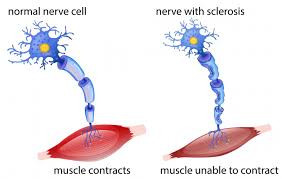
Multiple Sclerosis (MS) is a chronic autoimmune disease that affects the central nervous system (CNS), which includes the brain and spinal cord. In MS, the immune system mistakenly attacks the protective covering of nerve fibers called myelin, causing inflammation and damage. This disrupts the communication between the brain and the rest of the body.
Causes and Risk Factors
-
Exact cause unknown — likely a combination of genetic susceptibility and environmental triggers.
-
Possible triggers: viral infections, low vitamin D levels, smoking, and certain geographic locations.
-
More common in women than men.
-
Typically diagnosed between ages 20 and 50.
Types of MS
-
Relapsing-Remitting MS (RRMS)
-
Most common form (~85% of cases).
-
Characterized by flare-ups (relapses) followed by periods of remission.
-
-
Secondary Progressive MS (SPMS)
-
Follows RRMS in many cases.
-
Symptoms gradually worsen with fewer or no remissions.
-
-
Primary Progressive MS (PPMS)
-
Symptoms steadily worsen from the start without relapses or remissions.
-
-
Progressive Relapsing MS (PRMS)
-
Progressive disease from onset but with acute relapses.
-
Symptoms
Symptoms vary depending on the location and extent of nerve damage and can include:
-
Fatigue
-
Numbness or weakness in limbs
-
Difficulty walking or balance problems
-
Vision problems (blurred vision, double vision, optic neuritis)
-
Muscle spasms or stiffness
-
Dizziness and vertigo
-
Bladder and bowel dysfunction
-
Cognitive difficulties (memory, concentration)
-
Pain and sensory disturbances
Diagnosis
-
Neurological examination
-
MRI of brain and spinal cord (shows lesions or plaques)
-
Lumbar puncture (spinal tap) to analyze cerebrospinal fluid
-
Evoked potentials tests (measure electrical activity in response to stimuli)
-
Blood tests to rule out other conditions
Treatment
There is no cure for MS, but treatments focus on:
-
Managing relapses: Corticosteroids to reduce inflammation during flare-ups.
-
Disease-modifying therapies (DMTs): Medications to reduce frequency of relapses and slow progression (e.g., interferons, glatiramer acetate, natalizumab, ocrelizumab).
-
Symptomatic treatment: Muscle relaxants, physical therapy, pain management, fatigue management, and counseling.
-
Lifestyle: Balanced diet, regular exercise, stress management, and quitting smoking help improve quality of life.
Prognosis
MS has a highly variable course. Some people have mild symptoms with long periods of remission, while others experience rapid progression and disability. Early diagnosis and treatment improve long-term outcomes.