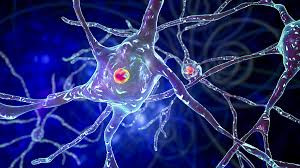
Motor Neuron Disease
What is Motor Neuron Disease (MND)?
Motor Neuron Disease (MND) is a group of progressive neurological disorders that affect the motor neurons — the nerve cells responsible for controlling voluntary muscles. These neurons deteriorate and die, leading to muscle weakness, wasting, and eventually paralysis.
Types of Motor Neuron Disease
-
Amyotrophic Lateral Sclerosis (ALS)
The most common type of MND, affecting both upper and lower motor neurons. It leads to muscle weakness, twitching (fasciculations), stiffness, and difficulty speaking, swallowing, and breathing. -
Progressive Muscular Atrophy (PMA)
Primarily affects lower motor neurons, causing muscle wasting and weakness without spasticity. -
Primary Lateral Sclerosis (PLS)
Involves mainly upper motor neurons, leading to muscle stiffness and spasticity but less muscle wasting. -
Progressive Bulbar Palsy (PBP)
Mainly affects muscles involved in speech, swallowing, and chewing due to motor neuron loss in the brainstem.
Causes and Risk Factors
-
Exact cause unknown in most cases.
-
Genetic mutations in some familial cases (around 5-10% of MND cases).
-
Environmental factors (e.g., exposure to toxins, smoking) may contribute.
-
Age: Usually affects adults between 40–70 years.
-
Slightly more common in males.
Symptoms
-
Gradual muscle weakness and wasting.
-
Muscle cramps and twitching.
-
Difficulty speaking (dysarthria) and swallowing (dysphagia).
-
Stiff or tight muscles (spasticity).
-
Difficulty breathing as respiratory muscles weaken.
-
Fatigue.
-
Weight loss and muscle cramps.
Diagnosis
-
Clinical examination focusing on muscle strength, tone, reflexes.
-
Electromyography (EMG) to assess muscle electrical activity.
-
Nerve conduction studies.
-
MRI to rule out other conditions.
-
Blood and urine tests to exclude other causes.
-
Genetic testing if familial history exists.
Treatment and Management
Currently, no cure for MND exists, but treatments focus on symptom management and quality of life:
-
Medications:
-
Riluzole — may slow disease progression.
-
Edaravone — antioxidant shown to slow decline in some patients.
-
-
Supportive care:
-
Physical therapy to maintain mobility and prevent contractures.
-
Speech therapy for communication issues.
-
Nutritional support, possibly via feeding tubes.
-
Respiratory support like non-invasive ventilation.
-
Occupational therapy for daily activities assistance.
-
Psychological support for patients and families.
-
Prognosis
-
Variable but generally progressive and fatal within 3 to 5 years after diagnosis, especially ALS.
-
Some forms like PLS progress more slowly.
-
Respiratory failure is the most common cause of death.