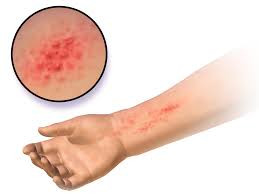
Metal and Jewelry Allergy
Metal and Jewelry Allergy
What is Metal and Jewelry Allergy?
Metal and jewelry allergy is a type of contact dermatitis caused by an allergic reaction to certain metals commonly found in jewelry, watches, eyeglass frames, and other metal objects that come in direct contact with the skin.
Common Metals Causing Allergies
-
Nickel (most common cause)
-
Cobalt
-
Chromium
-
Gold (rare, usually in lower purity jewelry)
-
Copper (less common)
-
Silver (rare)
Symptoms
-
Redness, rash, or bumps at the site of contact
-
Itching and burning sensation
-
Dry, cracked, or scaly skin
-
Blisters or swelling (in severe cases)
-
Chronic symptoms if exposure is continuous
Causes and Risk Factors
-
Prolonged contact with jewelry containing allergenic metals
-
Piercings (ear, nose, body) which introduce metals directly into skin
-
Sweating under metal objects can increase irritation
-
Pre-existing sensitive skin or eczema increases risk
-
Repeated exposure over time sensitizes the skin
Diagnosis
-
Clinical examination of affected skin
-
Patch testing to identify specific metal allergens
-
Patient history including exposure to jewelry or metal objects
Treatment
-
Avoidance: The most effective treatment is avoiding contact with offending metal/alloy.
-
Use hypoallergenic jewelry made from surgical stainless steel, titanium, platinum, or high-karat gold.
-
Apply topical corticosteroids or anti-itch creams for symptom relief.
-
In severe cases, oral antihistamines or corticosteroids may be prescribed.
-
Keep the affected area clean and dry.
-
For piercings, remove metal studs and replace with hypoallergenic alternatives.
Home Remedies
-
Cold compress to reduce itching and inflammation
-
Aloe vera gel or calamine lotion to soothe skin
-
Avoid scratching to prevent infection
-
Regular moisturizing to repair skin barrier
Prevention
-
Choose jewelry labeled "nickel-free" or "hypoallergenic."
-
Avoid cheap or costume jewelry with unknown metal content.
-
Limit wearing jewelry in moist environments (e.g., swimming pools).
-
Regularly clean jewelry to remove sweat and dirt buildup.
When to See a Doctor
-
If rash persists despite avoiding contact
-
Signs of infection (pus, severe pain, fever)
-
Severe swelling or blistering
-
Uncertain about the cause of the skin reaction
Summary
Metal and jewelry allergy primarily arises due to nickel but can involve other metals. Avoidance of allergenic metals and proper skin care are key to management. Hypoallergenic jewelry options can help people with sensitivities enjoy wearing accessories without reactions.