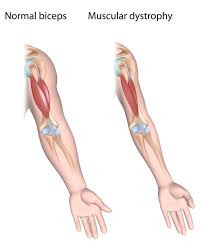
Limb-Girdle Muscular Dystrophy
Limb-Girdle Muscular Dystrophy (LGMD)
Definition
Limb-Girdle Muscular Dystrophy (LGMD) refers to a group of genetic disorders characterized by progressive weakness and wasting of the muscles primarily around the hips and shoulders (the limb-girdle area). It affects voluntary muscles used for movement, leading to difficulties with walking, climbing stairs, lifting, and other activities.
Symptoms
-
Progressive muscle weakness starting in the hips and shoulders
-
Difficulty walking, running, climbing stairs
-
Wasting (atrophy) of muscles in the upper arms, thighs, and pelvic area
-
Muscle cramps or pain in some cases
-
Difficulty lifting arms or raising objects
-
Sometimes cardiac (heart) involvement or respiratory muscle weakness
-
Fatigue and loss of endurance
Types of LGMD
LGMD is classified based on inheritance pattern and specific genetic mutations:
-
LGMD Type 1 (Dominant inheritance)
-
Rare
-
Examples: LGMD1A, 1B, etc.
-
-
LGMD Type 2 (Recessive inheritance)
-
More common
-
Includes many subtypes based on affected genes, such as:
-
LGMD2A (calpainopathy)
-
LGMD2B (dysferlinopathy)
-
LGMD2C to 2L (sarcoglycanopathies, and others)
-
-
Each subtype involves mutations in different genes coding for proteins important in muscle function and structure.
Causes
-
Genetic mutations in various genes responsible for muscle cell stability, repair, and function.
-
Inherited in either an autosomal dominant or autosomal recessive manner depending on the subtype.
Diagnosis
-
Clinical evaluation of muscle weakness and pattern
-
Family history assessment
-
Blood tests showing elevated creatine kinase (CK) levels
-
Muscle biopsy showing dystrophic changes
-
Genetic testing for specific gene mutations
-
Electromyography (EMG) and MRI of muscles may assist diagnosis
Treatment
Currently, there is no cure for LGMD, but management focuses on:
-
Physical therapy to maintain muscle strength and flexibility
-
Occupational therapy to improve daily functioning
-
Use of assistive devices (walkers, wheelchairs) as needed
-
Monitoring and managing cardiac and respiratory complications
-
Medications for symptom relief (e.g., pain management)
-
Emerging gene therapies and research in clinical trials
Prognosis
-
Disease progression varies widely depending on the subtype.
-
Some forms progress slowly over decades; others may lead to significant disability faster.
-
Heart and respiratory complications may impact life expectancy.