Lichen Planus
Lichen Planus
What is Lichen Planus?
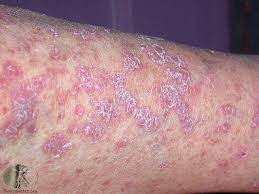
Lichen Planus (LP) is a chronic inflammatory condition that affects the skin, mucous membranes (inside the mouth, genital areas), nails, and hair. It is characterized by itchy, purple-colored, flat-topped bumps on the skin or white, lacy patches in the mouth.
Causes
-
The exact cause is unknown.
-
Thought to be an autoimmune disorder where the immune system attacks skin and mucous membranes.
-
Possible triggers include:
-
Viral infections (e.g., hepatitis C)
-
Certain medications (e.g., NSAIDs, beta-blockers)
-
Allergic reactions to dental materials
-
Stress
-
Genetic predisposition
-
Symptoms
Skin:
-
Purplish, flat-topped, polygonal bumps
-
Intense itching
-
Commonly on wrists, ankles, lower back
-
May show white, lace-like patterns called Wickham’s striae
Oral (Mouth) Lichen Planus:
-
White, lacy patches on the inside of cheeks, gums, tongue
-
Soreness or burning sensation
-
Red swollen tissues or ulcers
Genital Lichen Planus:
-
Painful sores or erosions
-
Itching and discomfort
Nails:
-
Thinning, ridging, or loss of nails
Scalp (Lichen Planopilaris):
-
Hair loss and scalp inflammation
Types of Lichen Planus
-
Cutaneous LP — affects skin
-
Oral LP — affects the mouth
-
Hypertrophic LP — thickened, wart-like lesions, usually on legs
-
Annular LP — ring-shaped lesions
-
Lichen Planopilaris — affects scalp and hair follicles
-
Pigmented LP — dark patches, often after healing
-
Erosive LP — painful erosions, often oral/genital
Diagnosis
-
Clinical examination of lesions
-
Skin biopsy to confirm diagnosis
-
Direct immunofluorescence test in some cases
-
Blood tests to rule out hepatitis C or other triggers
Treatment
There is no cure, but symptoms can be managed.
Topical Treatments:
-
Corticosteroid creams or ointments (to reduce inflammation and itching)
-
Calcineurin inhibitors (e.g., tacrolimus)
-
Mouth rinses for oral LP (e.g., corticosteroid mouthwash)
Systemic Treatments (for severe cases):
-
Oral corticosteroids
-
Immunosuppressants (e.g., cyclosporine, methotrexate)
-
Retinoids (vitamin A derivatives)
-
Antihistamines (for itching)
Other Measures:
-
Avoid triggers such as certain medications or dental materials
-
Good oral hygiene for oral LP
-
Stress management
Prognosis
-
Cutaneous LP often resolves within 1–2 years but may recur.
-
Oral LP tends to be chronic and may persist for years.
-
Rarely, oral LP can develop into oral squamous cell carcinoma, so regular monitoring is advised.
When to See a Doctor
-
Persistent itchy skin lesions
-
Painful mouth sores or ulcers
-
Nail changes or hair loss
-
Symptoms affecting daily life or worsening