Leigh Syndrome
Leigh Syndrome
Definition:
Leigh Syndrome is a rare, inherited neurodegenerative disorder that typically arises in infancy or early childhood. It affects the central nervous system, leading to progressive loss of mental and movement abilities.
Causes
-
Genetic mutations affecting mitochondrial function (energy production in cells)
-
Often caused by mutations in mitochondrial DNA or nuclear DNA involved in mitochondrial energy metabolism
Symptoms
-
Developmental delay or regression
-
Muscle weakness and hypotonia (low muscle tone)
-
Movement disorders (e.g., dystonia, ataxia)
-
Respiratory problems
-
Feeding difficulties
-
Seizures
-
Failure to thrive
-
Lactic acidosis (build-up of lactic acid in the body)
-
Vision and hearing loss may occur
Diagnosis
-
Clinical evaluation and symptom history
-
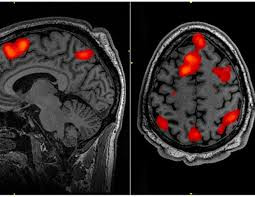
Brain MRI showing characteristic lesions in basal ganglia and brainstem
-
Elevated lactate levels in blood or cerebrospinal fluid
-
Genetic testing for mitochondrial or nuclear DNA mutations
-
Muscle or liver biopsy in some cases
Treatment
-
No cure currently; treatment is mainly supportive and symptomatic
-
Management may include:
-
Nutritional support
-
Physical therapy
-
Medications for seizures or muscle symptoms
-
Supplements like coenzyme Q10, thiamine, or other vitamins (variable benefit)
-
-
Genetic counseling for families
Prognosis
-
Progressive condition, often fatal in early childhood
-
Severity and progression vary depending on mutation and affected organs