Leg Cramps
Leg Cramps
Definition
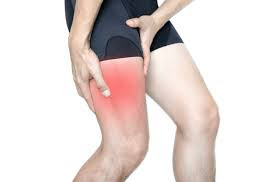
Leg cramps are sudden, involuntary, and often painful contractions or spasms of the muscles in the leg. They commonly affect the calf muscles but can also involve the thigh or foot muscles.
Symptoms
-
Sudden sharp pain in the leg muscle
-
Tightening or hardening of the muscle during the cramp
-
Muscle twitching or bulging
-
Cramp lasts from a few seconds to several minutes
-
Temporary muscle soreness or tenderness after the cramp subsides
Causes
-
Dehydration: Lack of fluids reduces electrolyte balance.
-
Electrolyte Imbalance: Low potassium, calcium, or magnesium levels.
-
Overuse or Muscle Fatigue: Excessive exercise or standing for long periods.
-
Poor Blood Circulation: Peripheral artery disease or other circulation problems.
-
Nerve Compression: Issues in the spine or nerves supplying the leg muscles.
-
Medications: Diuretics, statins, or other drugs can cause cramps.
-
Pregnancy: Due to increased pressure and changes in circulation.
-
Other causes: Diabetes, thyroid issues, or mineral deficiencies.
Types of Leg Cramps
-
Nocturnal Leg Cramps: Occur mainly at night and disturb sleep.
-
Exercise-Associated Muscle Cramps: Happen during or right after physical activity.
-
Rest Cramps: Occur when muscles are at rest but tense.
Homeopathic Treatment
-
Colocynthis: For cramping pain that is relieved by pressure or bending double.
-
Cuprum Metallicum: For spasms with twitching and cramps that spread upward.
-
Rhus Toxicodendron: For cramps that improve with movement but worsen with rest.
-
Magnesia Phosphorica: For cramping pain relieved by warmth and pressure.
Note: Consult a qualified homeopath for individualized treatment.
Ayurvedic Treatment
-
Ashwagandha: Helps improve muscle strength and reduce cramps.
-
Maharasnadi Kwath: Herbal decoction used for muscle stiffness and cramps.
-
Sesame Oil Massage: Warm oil massage on legs to improve circulation and reduce spasms.
-
Hydration: Drinking plenty of fluids and buttermilk to maintain electrolyte balance.
General Prevention & Management
-
Stay hydrated throughout the day.
-
Stretch leg muscles before and after exercise, especially calves.
-
Maintain a balanced diet rich in potassium, calcium, and magnesium.
-
Avoid prolonged sitting or standing; take breaks to move around.
-
Wear proper footwear with good support.
-
Use heat pads or warm baths to relax muscles.
-
If cramps are frequent and severe, consult a doctor for further evaluation.
When to See a Doctor
-
If cramps occur frequently and disturb daily life.
-
When accompanied by swelling, redness, or weakness.
-
If pain persists after the cramp subsides.
-
If there are signs of poor circulation or nerve damage.