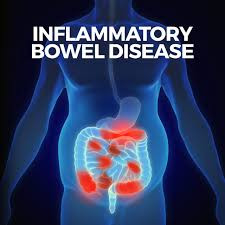
Inflammatory Bowel Disease
What is IBD (Inflammatory Bowel Disease)?
Inflammatory Bowel Disease (IBD) is a term used for a group of chronic conditions that cause inflammation in the digestive tract. It mainly includes:
-
Crohn's Disease – Can affect any part of the gastrointestinal tract (from mouth to anus), often in patches and involving the full thickness of the bowel wall.
-
Ulcerative Colitis – Affects only the colon and rectum, and the inflammation is usually continuous and limited to the innermost lining.
Note: IBD is different from Irritable Bowel Syndrome (IBS). IBS does not involve inflammation or damage to the intestines.
Causes of IBD
The exact cause is unknown, but several factors contribute:
-
Genetics – Family history increases the risk.
-
Immune System Dysfunction – Abnormal immune response attacks the gastrointestinal tract.
-
Environmental Triggers – Infections, smoking, diet, pollution.
-
Microbiome Imbalance – Disruption in gut bacteria.
-
Stress – While not a direct cause, it can worsen symptoms.
Symptoms of IBD
Common symptoms include:
-
Chronic diarrhea
-
Abdominal pain or cramping
-
Blood in the stool
-
Weight loss and fatigue
-
Urgent need to defecate
-
Fever
-
Joint pain, skin rashes, and eye inflammation (in severe cases)
Types of IBD
| Type | Affected Area | Key Features |
|---|---|---|
| Crohn's Disease | Anywhere in GI tract (commonly small intestine) | Patchy inflammation, affects full bowel thickness |
| Ulcerative Colitis | Colon and rectum | Continuous inflammation, affects inner lining only |
Diagnosis
-
Blood tests – To check for anemia, inflammation.
-
Stool tests – Rule out infections.
-
Colonoscopy or sigmoidoscopy – To view inflammation, take biopsies.
-
Imaging – CT scan, MRI for bowel assessment.
-
Capsule endoscopy – For small intestine viewing in Crohn's.
Conventional Medical Treatments
-
Aminosalicylates (5-ASA) – Sulfasalazine, mesalamine
-
Corticosteroids – For flares (prednisone)
-
Immunosuppressants – Azathioprine, methotrexate
-
Biologics – Anti-TNF agents (infliximab, adalimumab)
-
Antibiotics – In some Crohn’s cases
-
Surgery – May be necessary for strictures, perforation, or cancer risk
Homeopathic Treatments
Homeopathy focuses on individual symptoms and constitution. Common remedies include:
| Remedy | Indication |
|---|---|
| Nux Vomica | Abdominal cramping, constipation alternating with diarrhea, worsened by stress |
| Arsenicum Album | Burning pain, weakness, diarrhea with restlessness |
| Mercurius Corrosivus | Severe dysentery, tenesmus (constant urge to pass stool), blood in stool |
| Aloe Socotrina | Urgent stools, rectal heaviness, gas |
| Colocynthis | Colicky abdominal pain relieved by bending or pressure |
✅ Always consult a certified homeopathic practitioner for individualized treatment.
Ayurvedic Treatments
Ayurveda views IBD as a disorder of Pitta and Vata dosha imbalance.
Herbs and Remedies:
-
Kutaja (Holarrhena antidysenterica) – For chronic diarrhea
-
Bilva (Bael) – Astringent, controls dysentery
-
Nagarmotha (Cyperus rotundus) – Digestive aid
-
Mustakadi churna, Takra (buttermilk with herbs) – Gut-soothing preparations
-
Panchakarma therapy – Detoxification procedures
Lifestyle Tips:
-
Eat warm, cooked, non-spicy food
-
Avoid dairy, caffeine, and processed foods
-
Practice Yoga and meditation to reduce stress
Diet and Lifestyle Recommendations
-
Low FODMAP Diet – Reduces fermentation in gut
-
Avoid gluten, lactose, high-fat foods
-
Eat small, frequent meals
-
Stay hydrated
-
Manage stress through breathing exercises, yoga
-
Probiotic-rich foods may help (yogurt, kefir, sauerkraut)
Conclusion
IBD is a serious, chronic condition that requires long-term management. While conventional medicine plays a crucial role in controlling inflammation, complementary systems like Homeopathy and Ayurveda may help improve quality of life and reduce symptoms holistically.