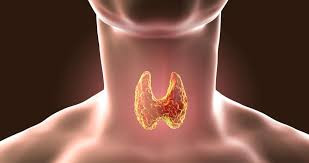
Hypothyroidism
Definition
Hypothyroidism is a condition in which the thyroid gland doesn't produce enough thyroid hormones. These hormones are essential for metabolism, energy regulation, and many body functions.
Causes
-
Autoimmune diseases (e.g., Hashimoto's thyroiditis)
-
Iodine deficiency
-
Thyroid surgery or radiation therapy
-
Certain medications (e.g., lithium, amiodarone)
-
Congenital hypothyroidism (present at birth)
-
Pituitary gland disorders (secondary hypothyroidism)
Symptoms
-
Fatigue
-
Weight gain
-
Cold intolerance
-
Constipation
-
Dry skin
-
Depression
-
Slow heart rate
-
Puffy face
-
Hoarseness
-
Memory issues
-
Menstrual irregularities
-
Hair thinning or hair loss
-
Swelling in the thyroid (goiter)
Types
-
Primary Hypothyroidism – due to thyroid gland failure.
-
Secondary Hypothyroidism – due to pituitary gland failure.
-
Tertiary Hypothyroidism – due to hypothalamic dysfunction.
-
Subclinical Hypothyroidism – mildly elevated TSH with normal T3/T4.
-
Congenital Hypothyroidism – present at birth.
Diagnosis
-
Blood tests:
-
TSH (Thyroid-Stimulating Hormone) – usually high.
-
Free T4 (Thyroxine) – usually low.
-
Anti-thyroid antibodies – may indicate autoimmune thyroiditis.
-
-
Thyroid ultrasound – to detect nodules or inflammation (if needed).
Treatment
Allopathic
-
Levothyroxine (synthetic T4 hormone) – taken daily to normalize hormone levels.
Homeopathic (supportive)
-
Thyroidinum – for general thyroid dysfunction.
-
Calcarea carbonica – for weight gain, sluggish metabolism.
-
Sepia – for fatigue, menstrual issues.
Note: Homeopathy should be used under the guidance of a professional.
Ayurvedic (supportive)
-
Ashwagandha – supports thyroid function.
-
Guggulu – aids in reducing weight and inflammation.
-
Brahmi and Shankhpushpi – help with mental clarity and memory.
-
Triphala – helps digestion and detox.
Note: Consult an Ayurvedic practitioner for individualized treatment.
Lifestyle Tips
-
Eat iodine-rich foods: seaweed, dairy, eggs, iodized salt.
-
Selenium-rich foods: Brazil nuts, sunflower seeds.
-
Regular exercise to boost metabolism.
-
Manage stress (yoga, meditation).
-
Avoid goitrogens (excess raw cabbage, broccoli) in large amounts.
Complications if Untreated
-
Goiter
-
Infertility
-
Heart problems
-
Myxedema (severe hypothyroidism – rare but life-threatening)
-
Birth defects (in pregnant women with untreated hypothyroidism)
Conclusion
Hypothyroidism is a manageable condition with proper hormone replacement therapy and lifestyle modifications. Regular monitoring and medical supervision are essential for maintaining health and preventing complications.