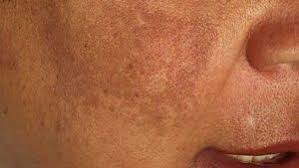
Hyperpigmentation
Hyperpigmentation
1. Definition
Hyperpigmentation is a common skin condition where patches of skin become darker than the surrounding skin. This happens due to an excess production of melanin, the pigment responsible for skin color.
2. Causes
-
Sun exposure: UV rays stimulate melanin production.
-
Inflammation: Post-inflammatory hyperpigmentation (PIH) occurs after skin injury or inflammation (e.g., acne, eczema).
-
Hormonal changes: Melasma often happens during pregnancy or with birth control pills.
-
Aging: Age spots or liver spots due to cumulative sun exposure.
-
Medications: Certain drugs can cause pigmentation changes.
-
Genetics: Some people are more prone due to hereditary factors.
-
Skin injuries: Cuts, burns, or other traumas can lead to pigmentation changes.
3. Types of Hyperpigmentation
-
Melasma: Large patches, often on the face, linked to hormones.
-
Post-Inflammatory Hyperpigmentation (PIH): Dark spots after skin injury/inflammation.
-
Sunspots (Solar lentigines): Small, darkened spots caused by sun damage.
-
Freckles: Small brown spots, often genetic and sun-exacerbated.
4. Symptoms
-
Darkened patches or spots on skin
-
Usually symmetrical on the face in melasma
-
No physical discomfort, mainly cosmetic
5. Diagnosis
-
Visual examination by a dermatologist
-
Wood’s lamp examination (UV light) to determine depth of pigmentation
-
Skin biopsy (rarely)
6. Treatments
Conventional Treatments
-
Topical agents: Hydroquinone, retinoids, azelaic acid, kojic acid
-
Chemical peels: Glycolic acid, salicylic acid
-
Laser therapy: Targets pigment to break it down
-
Microdermabrasion: Exfoliates skin surface
-
Sun protection: Essential to prevent worsening
Homeopathic Remedies
-
Thuja occidentalis: For dark spots after inflammation or infection
-
Calcarea carbonica: For pigmentation linked to hormonal imbalance
-
Sepia: Often prescribed for melasma, especially in women
-
Silicea: Helps in skin healing and clearing discolorations
Note: Homeopathic treatments should be guided by a certified practitioner for individualized care.
Ayurvedic Treatments
-
Herbal pastes: Sandalwood, turmeric, neem
-
Chandan (Sandalwood): Cooling and lightening effects on skin
-
Kumkumadi Tailam: An Ayurvedic oil blend used for skin brightening and pigmentation
-
Aloe Vera: Natural moisturizer with healing properties
-
Diet: Avoiding spicy and oily foods, consuming antioxidants (fruits, vegetables)
Note: Ayurvedic treatments are gentle but may take time for visible results.
7. Prevention
-
Avoid excessive sun exposure
-
Use broad-spectrum sunscreen daily (SPF 30 or higher)
-
Wear hats and protective clothing
-
Avoid picking or scratching skin lesions
-
Maintain a healthy skincare routine
8. When to See a Doctor
-
Sudden or unexplained pigmentation changes
-
Pigmentation with other symptoms (itching, pain, bleeding)
-
Suspected skin cancer
-
Pigmentation affecting quality of life or self-esteem