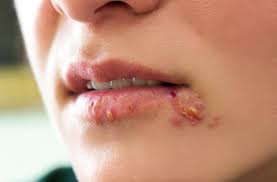
Herpes Simplex
Herpes Simplex Virus (HSV) Overview
What is Herpes Simplex?
Herpes Simplex Virus (HSV) is a contagious virus that causes infections characterized by sores and blisters. There are two main types:
-
HSV-1: Mainly causes oral herpes (cold sores or fever blisters around the mouth).
-
HSV-2: Mainly causes genital herpes (sores around the genital or anal area).
However, both types can infect either area.
Symptoms of Herpes Simplex
-
Painful blisters or sores at the infection site (mouth, lips, genitals, or anus)
-
Itching, burning, or tingling sensation before sores appear (prodrome)
-
Flu-like symptoms such as fever, body aches, swollen lymph nodes (especially during the first outbreak)
-
Recurrent outbreaks may be milder and shorter
Transmission
-
Direct skin-to-skin contact with an infected person during an active outbreak or sometimes even when no sores are visible (asymptomatic shedding)
-
HSV-1 is commonly spread through kissing or sharing utensils, lip balm, or razors
-
HSV-2 is primarily spread through sexual contact
Diagnosis
-
Clinical examination of sores
-
Laboratory tests like viral culture, PCR (polymerase chain reaction), or blood tests for HSV antibodies
Treatment
There is no cure for herpes, but treatments help manage symptoms and reduce outbreaks:
-
Antiviral medications: Acyclovir, Valacyclovir, Famciclovir — reduce severity and duration of outbreaks
-
Pain relief: Over-the-counter painkillers, topical anesthetics
-
Home care: Keep sores clean and dry, avoid touching sores, wash hands frequently
Prevention
-
Avoid direct contact with sores or blisters
-
Use condoms consistently and correctly during sexual activity (though HSV can infect areas not covered by a condom)
-
Avoid sexual activity during outbreaks
-
Do not share personal items like towels, lip balm, or utensils
Complications
-
Rarely, HSV can cause severe infections like herpes encephalitis (brain infection) or neonatal herpes if transmitted to a newborn
-
Psychological distress due to recurrent outbreaks or stigma