Haemorrhoids (Piles)
Haemorrhoids (Piles)
What are Haemorrhoids?
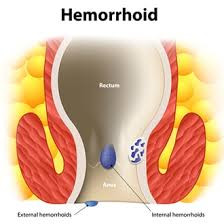
Haemorrhoids, commonly called piles, are swollen and inflamed blood vessels in the rectum and anus that cause discomfort and bleeding. They can occur internally (inside the rectum) or externally (under the skin around the anus).
Types of Haemorrhoids
-
Internal Haemorrhoids:
-
Located inside the rectum.
-
Usually painless but may bleed during bowel movements.
-
Can prolapse (protrude) outside the anus in severe cases.
-
-
External Haemorrhoids:
-
Located under the skin around the anus.
-
Can be painful, itchy, and may bleed.
-
Sometimes a blood clot forms inside (thrombosed haemorrhoid), causing severe pain and swelling.
-
-
Mixed Haemorrhoids:
-
Combination of internal and external haemorrhoids.
-
Causes and Risk Factors
-
Straining during bowel movements (constipation or diarrhea)
-
Sitting for long periods, especially on the toilet
-
Chronic constipation or diarrhea
-
Pregnancy and childbirth (due to increased pressure)
-
Obesity
-
Low-fiber diet
-
Heavy lifting or strenuous activity
-
Aging (tissue around the anus weakens)
Symptoms
-
Painless bleeding during bowel movements (bright red blood)
-
Itching or irritation around the anus
-
Pain or discomfort, especially with external haemorrhoids
-
Swelling or a lump near the anus
-
Mucus discharge
-
Feeling of incomplete bowel evacuation
Diagnosis
-
Physical examination (inspection of the anus)
-
Digital rectal examination
-
Anoscopy (a small tube to look inside the anus)
-
Colonoscopy or sigmoidoscopy if other bowel diseases need to be ruled out
Treatment
Home Remedies and Lifestyle Changes
-
Increase fiber intake (fruits, vegetables, whole grains)
-
Drink plenty of water to soften stools
-
Avoid straining during bowel movements
-
Use stool softeners or bulk-forming laxatives if needed
-
Warm sitz baths (sitting in warm water for 10-15 minutes several times daily)
-
Maintain good anal hygiene
-
Avoid sitting for prolonged periods
Medications
-
Topical creams or ointments (e.g., hydrocortisone, witch hazel) for itching and inflammation
-
Pain relievers like acetaminophen or ibuprofen
-
Suppositories to reduce symptoms
Medical Procedures (for severe or persistent cases)
-
Rubber band ligation (cutting off blood supply with a band)
-
Sclerotherapy (injection to shrink haemorrhoids)
-
Infrared coagulation (burning haemorrhoids using infrared light)
-
Hemorrhoidectomy (surgical removal)
-
Stapled hemorrhoidopexy (surgery to reposition haemorrhoids)
Prevention Tips
-
Eat a high-fiber diet and stay hydrated
-
Exercise regularly to prevent constipation
-
Avoid straining and prolonged sitting on the toilet
-
Respond promptly to bowel urges
-
Maintain healthy weight
When to See a Doctor
-
Persistent bleeding or pain
-
Large painful lumps or swelling
-
If bleeding is heavy or accompanied by dizziness or weakness
-
Change in bowel habits or suspicion of other bowel diseases