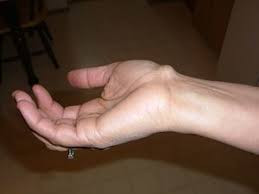
Ganglion Cyst and Baker’s Cyst
Ganglion Cyst and Baker’s Cyst
1. What is a Ganglion Cyst?
A Ganglion cyst is a noncancerous, fluid-filled lump that usually develops along tendons or joints of the wrists or hands but can also appear in the ankles or feet.
-
Nature: Filled with thick, jelly-like fluid (synovial fluid).
-
Common Sites: Wrist (most common), fingers, ankles.
-
Cause: Often arises from irritation or trauma to a joint or tendon sheath.
-
Size: Can vary from pea-sized to larger lumps.
-
Symptoms: Usually painless but may cause discomfort, stiffness, or weakness if pressing on nerves.
2. What is a Baker’s Cyst?
A Baker’s cyst, also known as a popliteal cyst, is a type of ganglion cyst that forms behind the knee.
-
Location: Popliteal fossa (back of the knee).
-
Nature: Fluid-filled swelling caused by excess joint fluid leaking into the knee joint sac.
-
Cause: Often due to knee joint conditions like arthritis, meniscus tears, or inflammation.
-
Symptoms: Swelling behind the knee, tightness, discomfort, and sometimes pain. May limit knee movement.
3. Causes
-
Ganglion cyst: Repeated minor trauma, joint or tendon irritation, or degenerative joint disease.
-
Baker’s cyst: Underlying knee problems such as osteoarthritis, rheumatoid arthritis, meniscal injury, or knee inflammation causing excess synovial fluid buildup.
4. Symptoms
Ganglion cyst
-
Visible lump near joint or tendon.
-
Usually painless but may cause pain if pressing nerves.
-
Limited joint movement or weakness in some cases.
Baker’s cyst
-
Swelling or bulge behind the knee.
-
Knee stiffness or tightness.
-
Pain or discomfort, especially when bending or straightening the knee.
-
Rarely, cyst rupture causing calf pain and swelling resembling deep vein thrombosis.
5. Diagnosis
-
Physical examination: Palpation of cyst, checking for tenderness and mobility.
-
Ultrasound: To differentiate cyst from solid masses.
-
MRI: Detailed imaging for cyst size and associated joint issues.
-
Aspiration: Fluid may be withdrawn for analysis and relief.
6. Treatment
Ganglion cyst
-
Observation: Many cysts disappear without treatment.
-
Immobilization: Wrist splints to reduce movement.
-
Aspiration: Needle drainage, though cyst may recur.
-
Surgery: Removal if painful or persistent.
Baker’s cyst
-
Treat underlying knee problem: Anti-inflammatory meds, physical therapy.
-
Aspiration: Drain fluid to reduce swelling.
-
Corticosteroid injections: To reduce inflammation.
-
Surgery: Rarely needed, but possible if cyst causes significant symptoms or complications.
7. Prognosis
-
Both cysts are benign and usually not dangerous.
-
Ganglion cysts may recur after treatment.
-
Baker’s cysts often improve with treatment of underlying knee conditions.
-
Rupture of Baker’s cyst requires urgent care to rule out other causes of leg swelling.