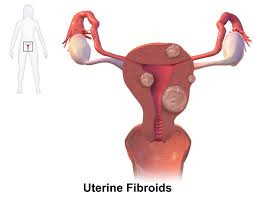
Fibroids (Uterine Myomas)
What are Fibroids (Uterine Myomas)?
Fibroids, also called uterine myomas or leiomyomas, are non-cancerous (benign) growths that develop in or on the uterus. They are made up of muscle and fibrous tissue.
Fibroids are very common in women of reproductive age, especially between 30 and 50 years old.
Types of Fibroids
-
Intramural Fibroids
-
Grow within the muscular wall of the uterus.
-
Most common type.
-
-
Subserosal Fibroids
-
Grow on the outer surface of the uterus.
-
Can become large and press on nearby organs.
-
-
Submucosal Fibroids
-
Develop just under the lining of the uterus (endometrium).
-
Can protrude into the uterine cavity and cause heavy bleeding.
-
-
Pedunculated Fibroids
-
Attached to the uterus by a thin stalk.
-
Can grow inside or outside the uterus.
-
Causes and Risk Factors
-
Exact cause unknown, but hormones estrogen and progesterone promote their growth.
-
Genetic changes.
-
Family history of fibroids.
-
Obesity.
-
Early onset of menstruation.
-
Hormone replacement therapy.
-
African-American women have higher risk and often larger fibroids.
Symptoms
Many women with fibroids have no symptoms, but if symptoms appear, they may include:
-
Heavy or prolonged menstrual bleeding.
-
Pelvic pain or pressure.
-
Frequent urination (pressure on bladder).
-
Difficulty emptying bladder.
-
Constipation (pressure on rectum).
-
Pain during intercourse.
-
Enlarged abdomen or feeling of fullness.
-
Reproductive problems like infertility or miscarriage.
Diagnosis
-
Pelvic examination.
-
Ultrasound (transabdominal or transvaginal).
-
MRI for detailed imaging.
-
Hysterosonography (saline infusion ultrasound).
-
Hysteroscopy.
-
Blood tests to check for anemia if bleeding is heavy.
Treatment Options
1. Watchful Waiting
-
If symptoms are mild or absent, regular monitoring.
2. Medications
-
Hormonal therapies:
-
Gonadotropin-releasing hormone (GnRH) agonists (shrink fibroids temporarily).
-
Birth control pills to control bleeding.
-
Progestin-releasing intrauterine device (IUD).
-
-
Non-hormonal:
-
NSAIDs for pain relief.
-
Tranexamic acid to reduce bleeding.
-
3. Non-Surgical Procedures
-
Uterine artery embolization (UAE): cuts off blood supply to fibroids causing shrinkage.
-
MRI-guided focused ultrasound surgery (FUS): non-invasive thermal ablation.
4. Surgical Treatments
-
Myomectomy: removal of fibroids, preserving uterus (for women wanting to preserve fertility).
-
Hysterectomy: removal of uterus, definitive cure (used for severe cases or if fertility is not a concern).
-
Endometrial ablation: destroys uterine lining to reduce bleeding (not effective for large fibroids).
Home Remedies and Lifestyle
-
Balanced diet with plenty of fruits, vegetables, and whole grains.
-
Maintain healthy weight.
-
Regular exercise.
-
Avoid excess caffeine and alcohol.
-
Stress management.
When to See a Doctor?
-
Heavy, prolonged, or irregular menstrual bleeding.
-
Severe pelvic pain.
-
Symptoms affecting daily life.
-
Signs of anemia (fatigue, weakness).
-
Difficulty urinating or bowel movements.
Summary
Fibroids are common benign uterine growths influenced by hormones. While many women have no symptoms, some experience heavy bleeding, pain, and reproductive issues. Treatment depends on symptom severity, fibroid size and location, and fertility desires.