Facioscapulohumeral Muscular Dystrophy (FSHD)
Definition
Facioscapulohumeral Muscular Dystrophy (FSHD) is a genetic muscle disorder characterized by progressive weakening and wasting of muscles, primarily affecting the face (facio), shoulder blades (scapulo), and upper arms (humeral). It is one of the most common forms of muscular dystrophy.
Causes
-
Genetic Mutation: FSHD is usually inherited in an autosomal dominant pattern.
-
FSHD1: Caused by the deletion of repetitive DNA on chromosome 4 (D4Z4 region).
-
FSHD2: Caused by mutations in genes (like SMCHD1) that affect D4Z4 regulation.
-
Both types result in inappropriate expression of the DUX4 gene, which is toxic to muscles.
Symptoms
-
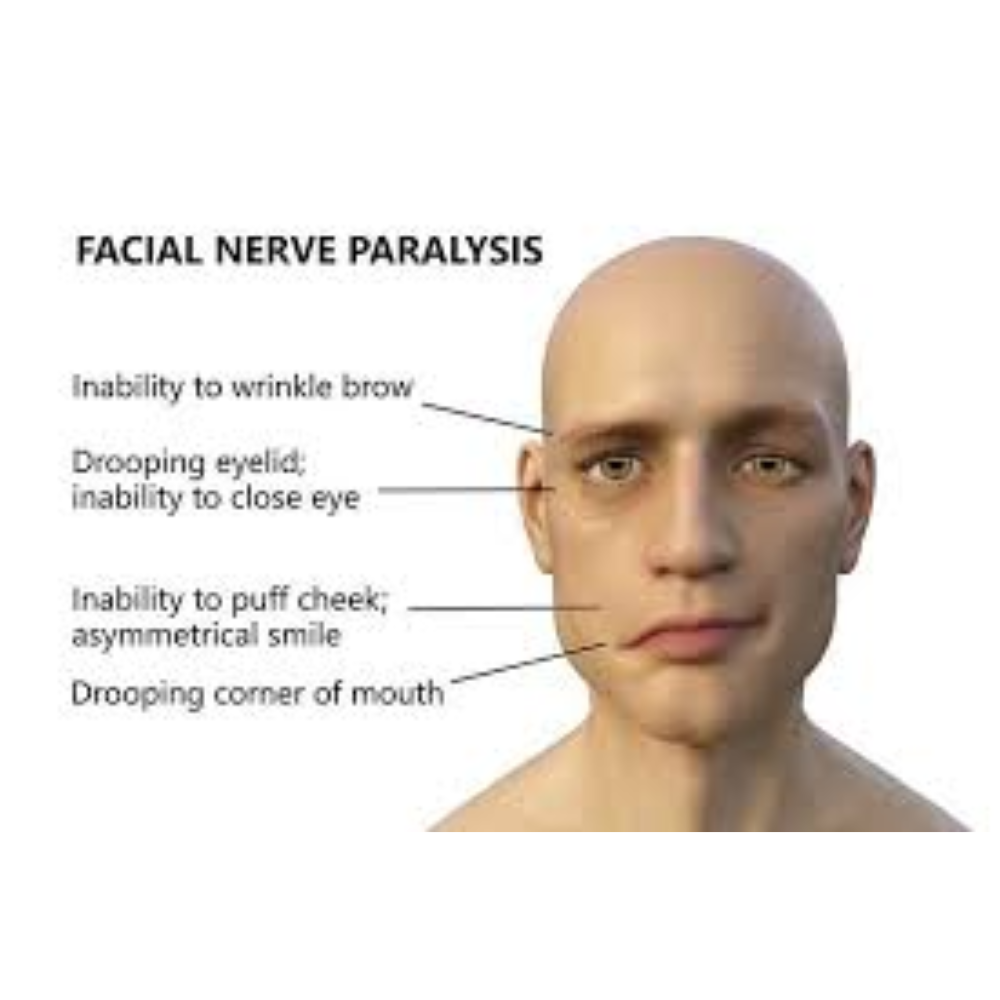
Facial Weakness: Difficulty smiling, whistling, or closing eyes tightly.
-
Shoulder Blade Protrusion: Due to weakness of stabilizing muscles (winged scapula).
-
Upper Arm Weakness: Difficulty lifting arms.
-
Trunk and Lower Limb Involvement: In some cases, may lead to foot drop or hip weakness.
-
Hearing Loss: Seen in some cases.
-
Retinal Vascular Disease: Rare, more in severe forms.
-
Slow Progression: Symptoms typically start in teenage years or early adulthood and progress gradually.
Types
-
FSHD Type 1 (FSHD1) – More common (95% of cases), linked to a contraction of D4Z4 repeats on chromosome 4.
-
FSHD Type 2 (FSHD2) – Less common, caused by mutations in different genes regulating chromatin structure.
Diagnosis
-
Clinical Examination: Muscle weakness pattern.
-
Genetic Testing: Confirmation via identification of D4Z4 deletion or SMCHD1 mutation.
-
Electromyography (EMG): To evaluate muscle activity.
-
Muscle Biopsy: Rarely needed, shows dystrophic changes.
-
MRI of Muscles: May help assess extent of muscle involvement.
Treatment
Currently, no cure exists. Management focuses on supportive care.
Conventional Treatment
-
Physical Therapy: Maintains mobility and prevents contractures.
-
Occupational Therapy: Aids in daily living activities.
-
Bracing: For foot drop or scoliosis support.
-
Pain Management: NSAIDs or physical modalities.
-
Surgical Options: Scapular fixation in some cases to improve shoulder movement.
Homeopathic Options
-
Not scientifically proven but used symptomatically by some practitioners:
-
Calcarea carbonica: For muscle weakness with fatigue.
-
Rhus toxicodendron: Muscle stiffness and pain.
-
Arnica montana: Muscle soreness from overuse.
-
Ayurvedic Options
-
Focus on balancing doshas and strengthening muscles:
-
Ashwagandha (Withania somnifera): Adaptogen for muscle tone and strength.
-
Dashmool: Anti-inflammatory and rejuvenating.
-
Abhyanga (Oil Massage): With medicated oils like Mahanarayan taila to reduce stiffness and improve circulation.
-
Panchakarma: Detoxification therapies.
-
Always consult a qualified practitioner before beginning homeopathic or Ayurvedic treatments.
Prognosis
-
Variable: Some remain mildly affected, others may develop significant disability.
-
Life Expectancy: Usually normal, though severe cases may impact respiratory function.
Conclusion
FSHD is a genetic condition with no known cure but can be managed effectively with a multidisciplinary approach. Early diagnosis, supportive therapies, and genetic counseling play critical roles in improving quality of life.