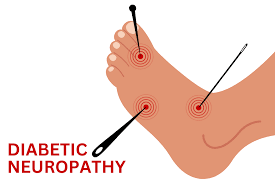
Diabetic Neuropathy
Definition:
Diabetic neuropathy is a type of nerve damage caused by long-term high blood sugar (glucose) levels in people with diabetes. It most commonly affects nerves in the legs and feet but can also affect other parts of the body.
Types of Diabetic Neuropathy:
-
Peripheral Neuropathy (Most Common):
-
Affects feet, legs, hands, and arms.
-
Symptoms are usually worse at night.
-
-
Autonomic Neuropathy:
-
Affects nerves controlling internal organs (heart, bladder, digestive tract).
-
Can lead to problems with digestion, urination, heart rate, and blood pressure.
-
-
Proximal Neuropathy (Diabetic Amyotrophy):
-
Affects hips, thighs, or buttocks.
-
Causes severe pain and muscle weakness.
-
-
Focal Neuropathy:
-
Affects specific nerves, often in the head, torso, or leg.
-
Usually comes on suddenly.
-
Symptoms:
-
Peripheral Neuropathy:
-
Tingling or burning sensation
-
Sharp pains or cramps
-
Increased sensitivity to touch
-
Numbness or reduced ability to feel pain or temperature
-
Muscle weakness
-
Loss of reflexes, especially in the ankle
-
Foot ulcers, infections, or bone/joint pain
-
-
Autonomic Neuropathy:
-
Bladder problems
-
Constipation or diarrhea
-
Nausea, vomiting, bloating
-
Unawareness of low blood sugar
-
Sexual dysfunction
-
Abnormal sweating
-
-
Proximal Neuropathy:
-
Sudden pain in thigh, hip, or buttock
-
Muscle weakness in the legs
-
-
Focal Neuropathy:
-
Eye problems (double vision, eye pain)
-
Facial paralysis (Bell’s palsy)
-
Pain in isolated areas (e.g., lower back, chest)
-
Causes and Risk Factors:
-
Prolonged high blood glucose levels
-
Poorly controlled diabetes
-
High cholesterol
-
Obesity
-
Smoking
-
Hypertension (high blood pressure)
-
Age (more common in older adults)
Diagnosis:
-
Medical history and physical examination
-
Nerve conduction studies
-
Electromyography (EMG)
-
Sensory testing (e.g., monofilament test)
-
Blood tests (to rule out other causes)
Treatment:
1. Conventional Treatments:
-
Blood sugar control: Most crucial step
-
Medications:
-
Pain relievers (acetaminophen, ibuprofen)
-
Antidepressants (e.g., amitriptyline, duloxetine)
-
Anticonvulsants (e.g., pregabalin, gabapentin)
-
Topical treatments (capsaicin cream, lidocaine patches)
-
2. Lifestyle Modifications:
-
Healthy diet
-
Regular exercise
-
Quitting smoking
-
Weight management
-
Foot care to prevent ulcers/infections
3. Alternative Approaches:
a) Ayurvedic Treatment:
-
Herbs: Ashwagandha, Turmeric (Curcumin), Shilajit
-
Therapies: Abhyanga (therapeutic massage), Panchakarma
-
Diet: Low glycemic foods, avoiding processed items
b) Homeopathic Remedies:
-
Arsenicum album: For burning pains
-
Hypericum: For nerve injuries or shooting pain
-
Phosphorus: For numbness and tingling
-
Secale cornutum: For diabetic gangrene
(Note: Homeopathic treatment should be individualized by a professional.)
Prevention:
-
Keep blood sugar levels within target range
-
Monitor blood pressure and cholesterol
-
Regular physical activity
-
Annual foot exams
-
Avoid smoking and alcohol
Conclusion:
Diabetic neuropathy is a serious but manageable complication of diabetes. Early diagnosis and consistent blood sugar control, along with supportive treatments (conventional or alternative), can help reduce symptoms, improve quality of life, and prevent further complications.